30 for 30
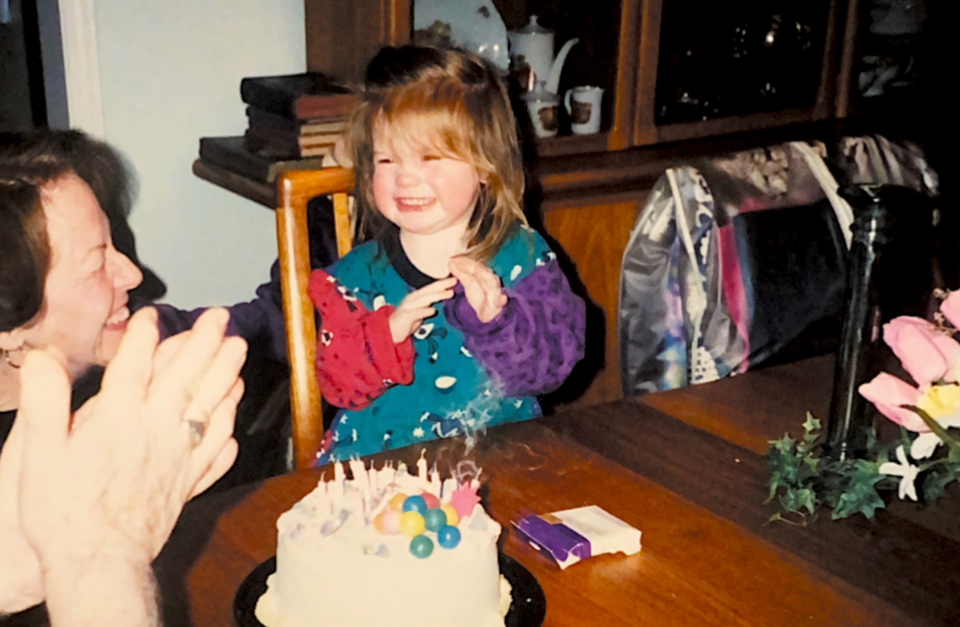
Please allow me this one final personal thing before I kick off Vol. IV, since a lot of the below has been occupying my brain and therefore standing in the way of me giving the chapter the attention it needs. I hope you’re all well in 2026 so far!
I turned 30 years old back in January, a milestone I feel nothing but excitement and gratitude about.
Very often since being alerted to it sometime last year by my friend, Coleman Spilde, I’ve thought of a 29-year-old Lady Gaga telling Billboard in 2015, “I want to explode as I go into my 30s.” I love this quote, which had come in the middle of a semi-complaint about her industry’s obsession with barely-legals—and only a handful of months since she’d wrapped a big tour with 89-year-old Tony Bennett, still sharp and full of creative energy and so keen on taking the stairs that he apparently avoided even escalators. (Yes, I’ve seen a certain quasi-released doc about the pair, but let me come back to that in a future piece of writing, perhaps if either camp decides to acknowledge its quasi-release.)
Sure, I’ve noticed the odd change to my skin or alcohol tolerance or whatever else over the years, and sure, I wince sometimes at the thought of potentially losing my faculties one day. But I can say with most of my chest that I’ve never really been “weird” “about” “aging,” save for maybe some gulps when I found my first few greys way back when. I can’t recall ever being freaked out by an approaching birthday; if anything, I over-anticipated my adulthood as a kid, always put off by anyone I encountered in high school or university who suggested we were experiencing the best of our lives. I remember hearing stuff like that and taking it, mentally, as a sort of challenge: I’ll make sure that’s not true.
My chillness about getting older surely stems from a number of things—not liking how some teacher or camp director spoke to me growing up simply because they could, engaging with so much media that made adulthood seem thrilling, learning relatively young that you don’t have to be old in order to be unwell and/or disabled. But it also strikes me as common sense: with whatever exceptions, you get to see, hear, feel, do anything more the longer you’re around. I know lots of people who are faring better—in some cases, drastically—in one life department or another now that they’ve aged out of what we typically call “youth,” happier or smarter or even healthier. My mother-in-law, who’ll be 71 this year, is among the top-ranked triathletes in the world for her age group, and yet she’d never even done a triathlon until her 50s. My dad didn’t meet my mom until his mid-30s, which means he was still half a decade away from meeting his child prodigy.
I’d also have to be stupid, probably, to spend so much time with some of the icons I write about and believe your 20s are your peak. No Homecoming (2019)? No Confessions on a Dance Floor (2005)???? No “Believe” (1998)?! It’s just not borne out by the data. Aside from the Gaga quote I opened with, I spent a lot of last year thinking about a video of Dolly Parton and Sabrina Carpenter from around the time that they were reimagining “Please Please Please.” “You’ll be this old one day,” Dolly tells Sabrina as they pose together for a photo, to which Sabrina replies, “I know, I can’t wait. I hope I look like you.”
This was a plainly lovely moment, but it may also be worth pointing out: Sabrina turned 27 earlier this month, which means that she’s only just reached the age Dolly was when she released “Jolene.” It wasn’t until 28 that we got “I Will Always Love You,” until 34 that she starred in 9 to 5 (1980), until 35 that she was nominated for her related Best Original Song Oscar, until 78 that she was featured on one of my favourite Cowboy Carter (2024) songs. The country legend turned 80 as I tapped away at this newsletter, in a milestone that came complete not only with new music but also an elaborate photoshoot.
Equally important, I guess: I seemed to understand early in life—potentially too early—that aging isn’t something we all get to do. My media intake was more or less unpoliced as a kid, so I’ll just let that hang there (Titanic [1997] alone, which I rewatched obsessively, was pretty instructive re: human mortality). But I was also exposed to various things in real life that even the safest and happiest childhood couldn’t protect me from—growing up largely without grandfathers, having classmates battle cancer as early as the third grade, hearing my one grandmother speak sometimes about things like air raids and food shortages, other stories probably best left for my memoirs. We’re all kind of just dealt a hand in this life, and I absolutely wake up most days grateful for mine so far.
My 20s were weird and wonderful and sometimes excruciating, the way I’m sure they’re supposed to be. At their outset, I was a film undergrad student with about a year left of my program—still an aspiring #girlboss who wanted to work somewhere on the business side of the industry (or at least liked how people responded when I told them that), but also contributing every so often to the arts section of my student paper and starting to get hooked on the masochism of it all: file something, be humbled, revise it, be humbled, wrap it up, see it appear with an institutional masthead, get complimented, feel elated, realize too late that you hate a sentence, sulk, do the whole thing again.
For about a year, I’d been inseparable from a boy who seemed to fit into my life like a puzzle piece, even if he was a little too pretty and blond. I did my best to try and drive him insane by wondering aloud what was going to come along and burst our bubble; he drove me insane, in return, by never being fazed by anything, ever—not my emergent health issues, not the fact that I was still clearly (and confusingly) nursing a broken heart from before his arrival, not my terrible sense of self that neither thing had exactly helped. I spent a lot of that year mulling over “genre” while listening to a new album called Lemonade (2016), and training for a 10k that I wouldn’t ultimately show up for, and generally realizing that several of my long-held goals were no longer vibing with either my brain or body.
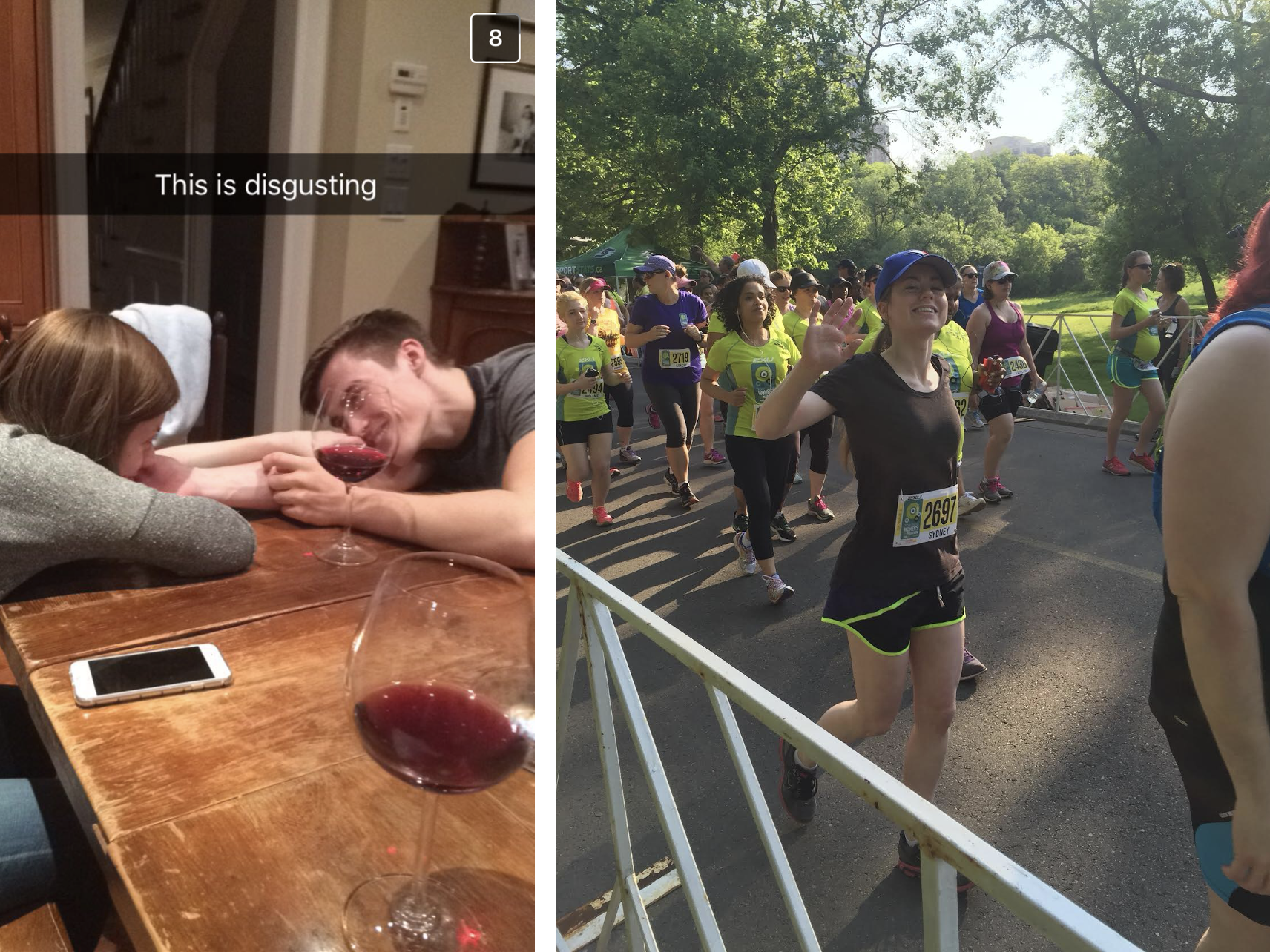
A decade on, my professional life looks little like the one I’d been imagining; aside from the fact that I wear blazers only a tenth as often, I seem to have opted for a much less stable and lucrative field within the same industry, if one that I know makes me happier on a cellular level. I still have the same health issues, technically, but was fortunate enough to get to customize my adulthood around them, which I do think means something. And my heart is long since unbroken, which is good news seeing as I’m now in my fourth year of marriage to my puzzle piece—still a little too pretty and blond, but we’ve tried to mitigate the situation with some tattoos and at least one wicked scar. Together, we have a home and a dog and a growing collection of nieces and nephews, both actual and claimed; when I start writing books one day—the kind that get printed and bound, I mean—I’ll have to include them somehow in my marketing strategies.
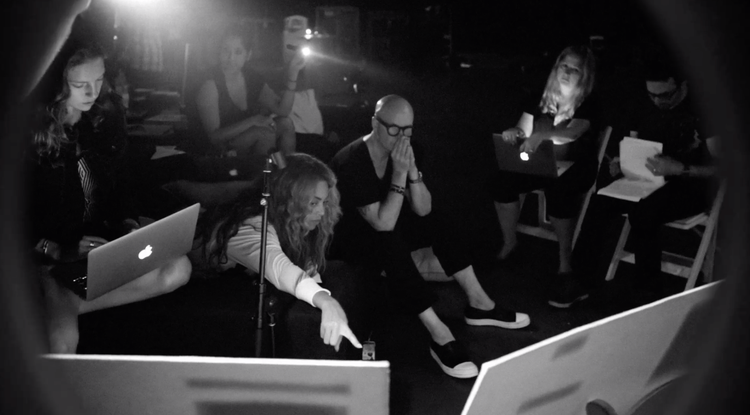
At 30, I still seem to spend a lot of my time mulling over “genre” and listening to Lemonade, and I’m still tragically talking about one day racing that 10k. As for the “terrible sense of self” thing, I believe that the situation has improved somewhat, but I can also picture my loved ones—Scott in particular, who’s had a front-row seat to some of my most evil thoughts about myself for 11 years—jumping in here to disagree. I’m aware that too much of my self-image still rides on my work, and that this doesn’t set me up so well when it comes to, say, taking two full years to finish a Beyoncé passion project that was supposed to last a summer, all while letting my freelance writing career basically peter out. I’ll keep working on it—the passion project, but also my issues.
A decent argument I could use on my loved ones might be that I went literally bald at 29—due to what I’ve characterized as a one-off but where it seems I spoke too soon, since a year of hard-won regrowth recently reversed itself in maybe two weeks—but saw little need to disappear from public life. The whole affair, as I’ve written about, actually came to feel instead like a funny physical manifestation of everything else happening around me in 2025. Call it a Saturn Return, or the Year of the Snake, or whatever option C you’d like; there was a fair amount of shedding and cautious regrowing across the board.
I’m not really a regrets person, but if you were forcing me to come up with one from last year, it might be that I spent the first half of it semi-avoiding my grandmothers while I tried to get a better grasp on the whole hair-loss situation. Before I could figure out whether/how to break it to my dad’s mom, whom I hadn’t seen too much of in recent years—and who’d been unable to see or hear much through all of them, meaning I was most worried about startling her and then not being able to explain myself—she died. Ten weeks later, before I could figure out how to schedule a long-overdue visit with my mom’s mom, who thought I looked great in the photo of myself that I’d nervously sent her way, she died too.
So there’s my writerly year-in-review: I wrote a bit about losing my hair, I wrote tens of thousands of words about Beyoncé, and—before I could manage the next several thousand—I had to write two obituaries two months apart.
My grandmothers were extraordinarily different, and one of the great injustices of the past ten or so months—for them as much as my family—is that their grieving processes have had to be tangled together in any way.
I’d sometimes joked to people in the past that I had a grandma and a grandmother; both might rile you up, but you’d never question whether your grandma loved you, whereas your grandmother seemed to want you to question it at least a little sometimes. Trying to summarize their lives, though, did wake me up to certain similarities between them that I’d never really given much thought, beyond the fact that they were both glamorous widows (I lost one grandfather at four months old and the other at six years old) who happened to be related to me.
Both my grandma and grandmother travelled a bunch on the arms of their husbands, my grandma because she was a military wife who never stopped moving towns and my grandmother because she never stopped moving, period—and, as with everything else about her, it’s impossible to know how much of that came back to spending her formative years in an active, then poorly recovering, warzone. Both were vivid storytellers who repeated select anecdotes so often that it was almost like they were training me to be able to recite them for a newspaper one day. (It’s strange in hindsight, if comforting, that my grandma had called me in August to let me know I’d done a great job with my grandmother’s obit.)
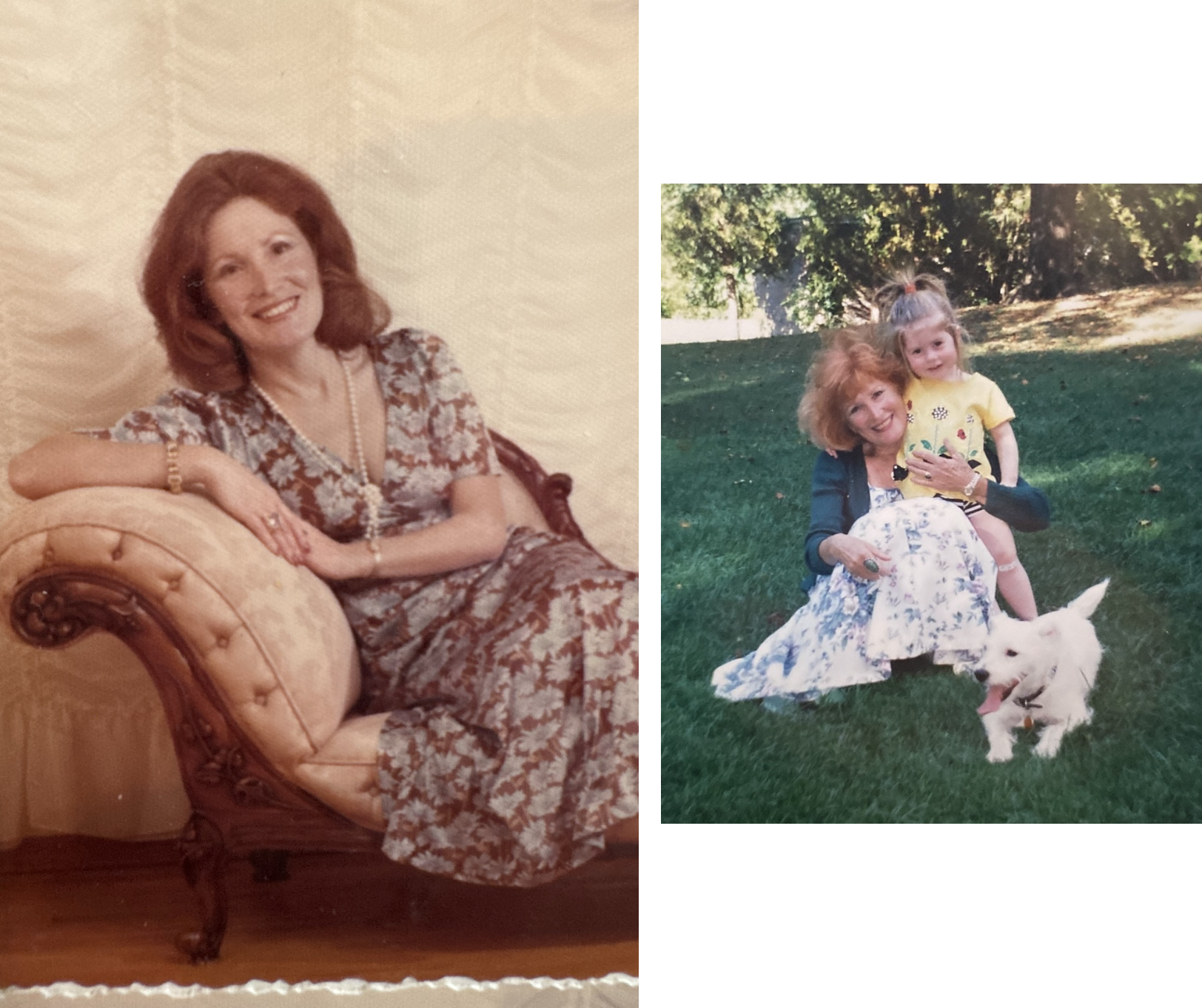
My grandmother, in particular—my “Omi,” as she insisted upon assuming the role—was a big self-mythologizer not unlike some of my usual writing suspects. That meant there were various things about her that didn’t seem entirely appropriate for her obituary, but which I nevertheless find especially fascinating. In the years and decades after she and my Opa moved to Canada to hit reset on their lives, she tried out many selves before perfecting the one I’d meet—continually tweaking her look and the spelling of her name and even her name itself, and never content to remain in a single neighbourhood for very long, something she kept up until we essentially forbade her from moving any more. She was an embellisher and a reviser and a keeper of secrets that I might never fully squeeze out of people who knew her; I was the member of my immediate family who seemed to get along best with her, and yet so much remains a total mystery to me.
My grandmothers were both music-lovers who played at least one instrument—while I try and get a profile picture I like of my 2026 self, I’ve been relying on an old photo of me pretending to play my grandmother’s zither—but I’ll more so remember my grandma, who was generally big on things like showtunes and Elvis Presley, singing along to her Camelot (1967) and Funny Girl/Funny Lady (1968/75) VHS tapes. I didn’t know until her funeral that she tended to pick up some sort of church choir duties no matter where in the world she’d landed, but this made immediate sense; several years prior, I’d agreed to become the new steward of her extremely old—and extremely heavy—upright piano and, with it, a stack of terrifyingly fragile sheet music, much of it pop and church songs.
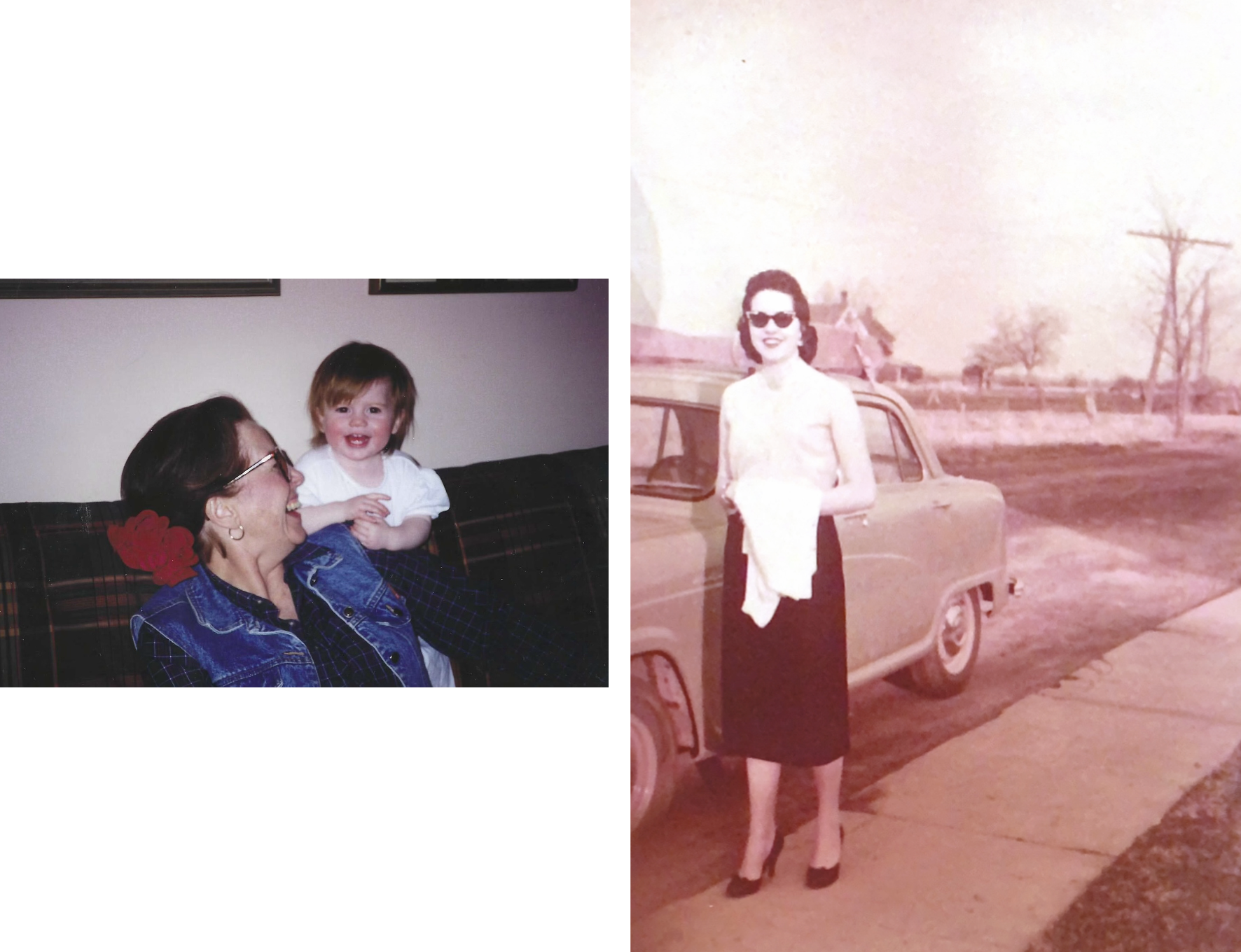
They both loved to get dressed up, each with their own distinct style trademarks and colour palettes. (As we all try to figure out what to do with some of the belongings that have suddenly entered our possession, it’s generally comically easy to tell whose is whose.) And though they had opposing philosophies about lots of things—money, vegetables, child/grandchild favouritism—they were arguably matched in their stubbornness as they pulled in their two different directions, in ways that were often funny on paper even when they were kind of maddening. On one of the first occasions that she ever met my now-husband, for example, my grandmother actually personally rolled up the sleeves of his button-down until they were to her liking.
I don’t think I’ve ever thought about either of them more, assuming I’m allowed to say that, and this has led me to several conclusions. One is that I’m pretty sure I’m okay with how both of those relationships stood—and it’s been strange to admit that knowing I may be a unique case in my family. Another is that you probably couldn’t have paid either woman to go back to her childhood, which I add because I’m still writing an essay about aging here. I’m sorry not to get to bring them into my 30s, but I’ll do my best to carry their better lessons with me.
If anything felt different about my birthday, it was that I ended the day two phone conversations short. My grandma never forgot to call on the 11th, even if she sometimes needed to ask how old I was turning. And, with the exception of one year where she was mad at me, my grandmother could similarly be counted on for that one grandmotherly thing, despite the fact that she probably couldn’t be sure she was speaking at the desired volume. My phone, in addition to saving a bunch of voicemails I didn’t know I’d want, tells me that I chatted with them for exactly three minutes each on my 29th birthday last year. That’s more equal than I was expecting; it’s less surprising to see that that was my final conversation with my grandmother, since she could no longer really call me just to chat.
Even if I didn’t see her in person as much as I could’ve, I spoke to my grandma a few times a month at minimum—about the weather, about what I was working on, about how my nieces and nephews were doing both in utero and before my eyes. The last time she called, in October, it was to say that she’d just seen Cardi B on TV and thought of me. She was a subscriber (and particularly responsive reader) of this newsletter, and, in addition to making fun of me for my increasingly ridiculous word counts, she made it known that she loved stumbling across the odd curse word. So I guess I’ll just keep writing long and semi-profane things for her, maybe even about Cardi B one day.
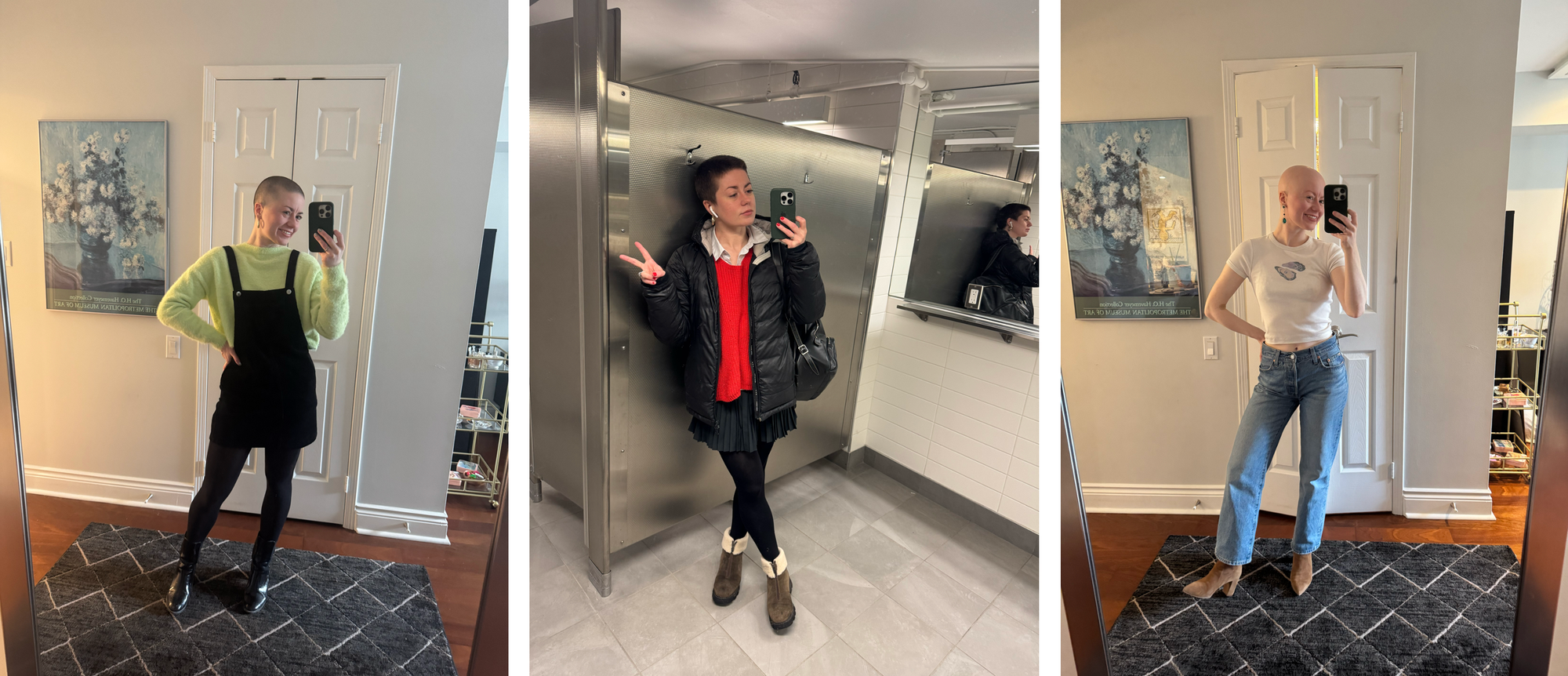
Whenever it’s clearer what’s going on with my head—I’m currently balder than I was at any point last year, with noticeably less brow to work with—I plan on throwing myself some sort of bash after skipping two birthday parties in a row (for ultimately no good reason). But I wanted to close the book on my 20s in some other way, especially since I spent more than half of them writing this newsletter. It’s been a particularly reflective several months, as you can probably imagine—a lot of dot-connecting, and getting hit with memories that had been buried somewhere, and trying to map out some of what I’d actually like to do with the next ten years now that I’ve big-time had my priorities rearranged.
In lieu of the year-end recap that I’d normally send out, I started to poke away late last year at a list of 30 things from/about my career so far—a sort of 30 for 30. They’re not “favourites” or even “highlights” so much as me annotating the rungs of a ladder that has sometimes gone sideways (or even down, arguably) rather than up. I historically struggle to give myself a fair amount of credit, as I alluded to earlier, and I wanted to do something that was intentionally full of as much self-respect and grace as I could muster. It’s bold, but so were the grandmothers whose lives I’ve been meditating on as of late—both unconditional supporters of my career, even if only one of them embraced the internet—and perhaps I’ve earned it through some of my recent ass-kickings.
🪜 Cannes (spring 2015)
A little after turning 19, I was accepted to a program that was decently common at my university: for a fee I don’t remember, I’d be housed for a few weeks in the South of France with a bunch of other young people, and—at least with my branch of the program—we’d be placed as interns at companies that had come to do business at the Cannes Film Festival. It’s funny to type this out now, but you were essentially paying to be at Cannes and working a free internship for some stretch of it, where the draw was that you were getting solid-ish industry experience while making whatever else you could of the environment (networking, eating ice cream, maybe even catching some films). It was the year Ingrid Bergman was the festival’s official poster girl, and someone should give me a good reason why the poster I brought home is currently framed and hanging on my sister’s wall.
I mentioned earlier that I aspired to work somewhere on the business side of film; my line was that I might produce movies and/or go to law school to become an entertainment lawyer. (At one point, I was actually enrolled in a sort of business certificate separate to my film program, but then had what I’ll politely call a falling out with my university’s business school.) For a week or so during Cannes, I interned for a distributor whose name I’d never encountered before and haven’t encountered since, though it did boast a few recognizable titles. My job was mostly to greet and log business cards from people who showed up for meetings in the Palais des festivals with the CEO. I sort of learned about film distribution doing this; I mostly just gossiped with my colleagues, one of whom had recently been through a bad breakup and needed some wisdom from a spiritually-40 teenager. My favourite thing to do was collect each morning’s trades to display in the waiting room—I love magazines!—knowing that I’d have to try and stuff them in my suitcase once the day ended.
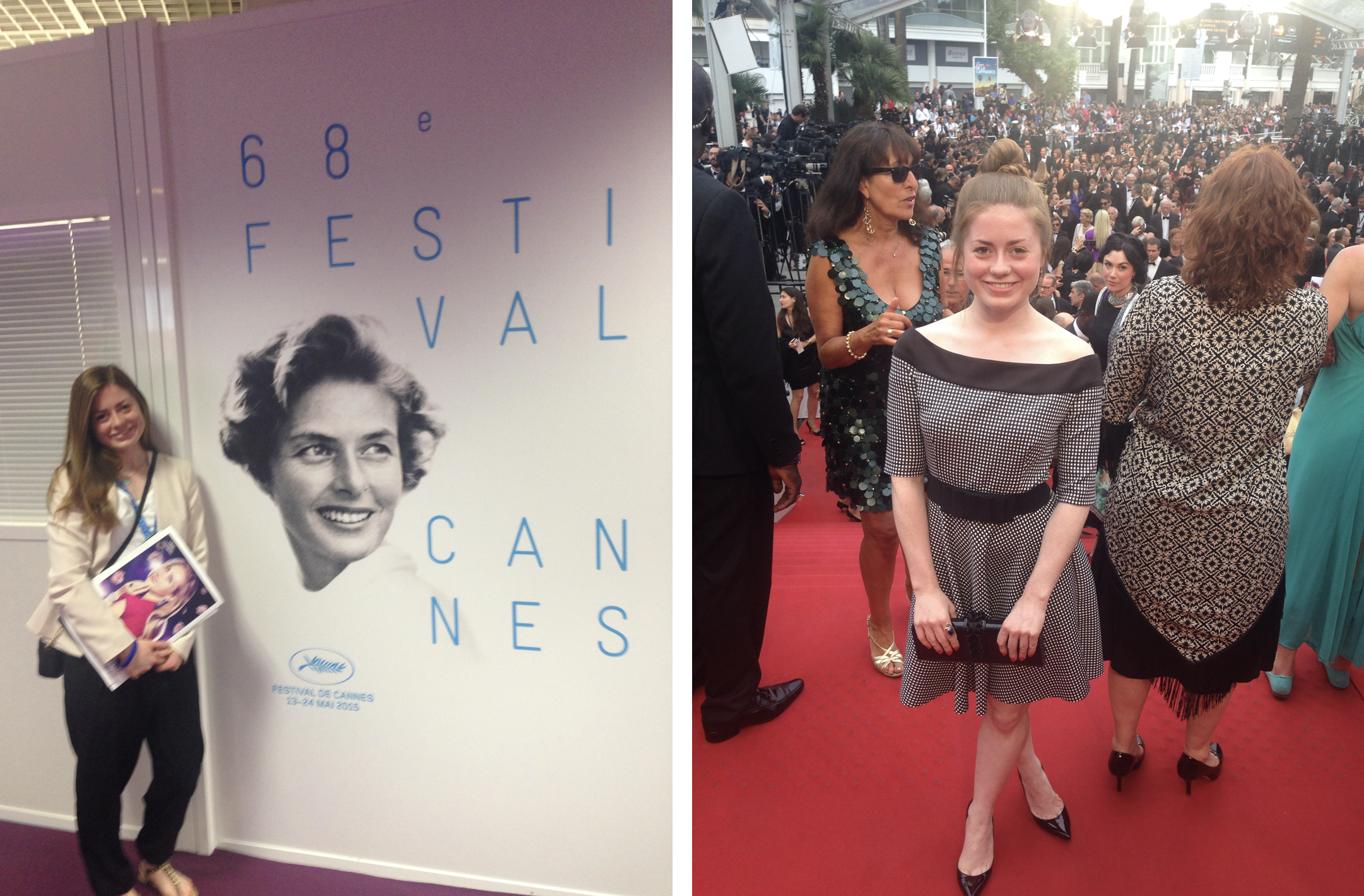
I remember that I took the longest possible route to fetch coffee so that I could spy on the film market, which I was trying to convince myself I was even remotely interested in. Everyone at the company was lovely except the CEO, who at one point—making sure we had an audience first, just to hammer home the indignity—handed a coffee back to me because he wanted me to stir the sugar packet in, too. I only saw two movies of note (Inside Out [2015] and Justin Kurzel’s Macbeth [2015]), which is objectively funny, but they were both premieres where I got to walk the red carpet. I did a lot of helping my American colleagues order things in French, a language I don’t even really speak that well, and can still feel the blisters from the stilettos I’d had to buy locally to get into those premieres.
The whole thing was quite impressive to my new “boyfriend,” whom I don’t think I’d ever spent more than 72 hours away from—we’d met on the Pi Day of Pi Days (3/14/15) and had barely come up for air since—and it was very much my first time trying that word out on people and subtly checking for their reactions. I’d never had one before, and had no idea whether I was convincing in the part.
🪜 Reel Honey et al. (summer 2016-summer 2019)
During my aspiring #girlboss era proper, which I’ll put at 2014-2018 or so, I spent a lot of time volunteering at film-adjacent events (in both my hometown of Toronto and my university town of Kingston) and working whatever summer job/odd job I could find that was even tangentially relevant to my degree. Like basically all film students, I often made stuff alone and with my friends, sometimes seeing it get some kind of second wind at a local festival, but picking up a camera never did it for me the way watching and talking about movies did; I was probably one of only a few in my classes who would’ve gladly swapped their required production courses out for film studies ones.
Some of these early business-y/administrative gigs weren’t anything to write home about, but others were more pivotal because of the friends and mentors I’d meet and/or the cool opportunities that ensued. This reads to me now like someone else’s résumé, but I played a small role in launching a lifestyle TV channel that still exists. Another year, trying to make it seem less awkward that I was taking photos of her across the room for social media, I got to tell Sarah Gadon that I’d loved her work on Alias Grace (2017). Still another year, I somehow found myself at the Canadian Screen Awards, which are essentially our Oscars, and watched legends like Christopher Plummer and Catherine O’Hara accept different honours.
Throughout this same period, I slowly went from contributing arts coverage to my student paper, to seeking out smaller online publications and writing whatever they’d have me for, to churning out a number of real reviews and essays about movies (and sometimes music videos when I could swing it, which wasn’t often) for low-to-no pay. I wasn’t really hoping to become a writer or critic after graduation, even though I’m aware it doesn’t look that way on paper; I barely remember what prompted my early pitches in the first place, beyond maybe plain old curiosity and a genuine interest in the stuff I was covering. I quickly learned that I enjoy writing my way to figuring out what I think about something, and that the process of turning a just-okay draft into something more impressive scratches some itch for me as a lifelong word nerd. It’s probably also relevant that I’d watched Sex and the City a few times over by this point, and—like hordes of others worldwide—had been romanced by its general premise of click-clacking along the pavement when you aren’t click-clacking on your laptop.
Equally important, as it turned out, I’d started tweeting all the time about the things I loved and was increasingly encountering more established writers on that platform whose work lives seemed very attractive to me—in a way that hadn’t necessarily been true of, say, the film professionals I’d met at Cannes.
I was especially taken with people like Anne Helen Petersen, who was then best known for her star studies-influenced deep dives on celebrities, and I generally paid a lot of attention to what you might call New York Media Twitter. I also remember reading the entire Bright Wall/Dark Room archive over a single summer, not to mention closely following every development related to cléo, a feminist film journal founded by then-TIFF programmer Kiva Reardon. I’d had no idea that any of this—quote-unquote culture writing—was something you could do professionally, and it started to change how I approached my classes and what I was learning in them, like the content might be useful beyond the bounds of my assignments.
Many times in this newsletter, I’ve also mentioned that the release of Lemonade in 2016 was more than a little groundbreaking for me, bringing my curricular and extracurricular worlds together while highlighting where exactly they bumped up against each other. My professors were suddenly as open to talking about Beyoncé as my social media timelines, which fascinated and validated me in ways that would eventually reroute my life; simultaneously, there was generally at least some skepticism (sometimes even giggles!) whenever one of my favourite artists was mentioned in class, no matter their relevance to what we were learning about. I also found myself reading anything about Beyoncé’s project I could get my hands on, whether that meant a magazine essay or a piece of scholarship proper, and this became my intro to several other worlds I hadn’t really known about—musicology, sound studies, other academic disciplines along those lines. I was extremely fond of my professors but didn’t often connect with their research interests, and it was through this additional sleuthing that I realized there were academics out there spending their days wading through some of my favourite things.
I was also starting to build out this list in my head of scholars, current and former, who weren’t just interested in stuff with popular appeal but also seemed to like writing for the public. There was Petersen, whose approach to research and storytelling was hugely formative in general, but there was also her BuzzFeed News colleague Alessa Dominguez, who was using her own PhD to write thoughtfully about pop stars and tabloid figures. In time, I’d discover scholars who’d written (or were currently writing) books about the artists I still spend a lot of time with, dog-earing the hell out of things like Kevin Allred’s Ain’t I a Diva?: Beyoncé and the Power of Pop Culture Pedagogy (2019), Ryann Donnelly’s Justify My Love: Sex, Subversion, and Music Video (2019), and Carol Vernallis’s Unruly Media: YouTube, Music Video, and the New Digital Cinema (2013).
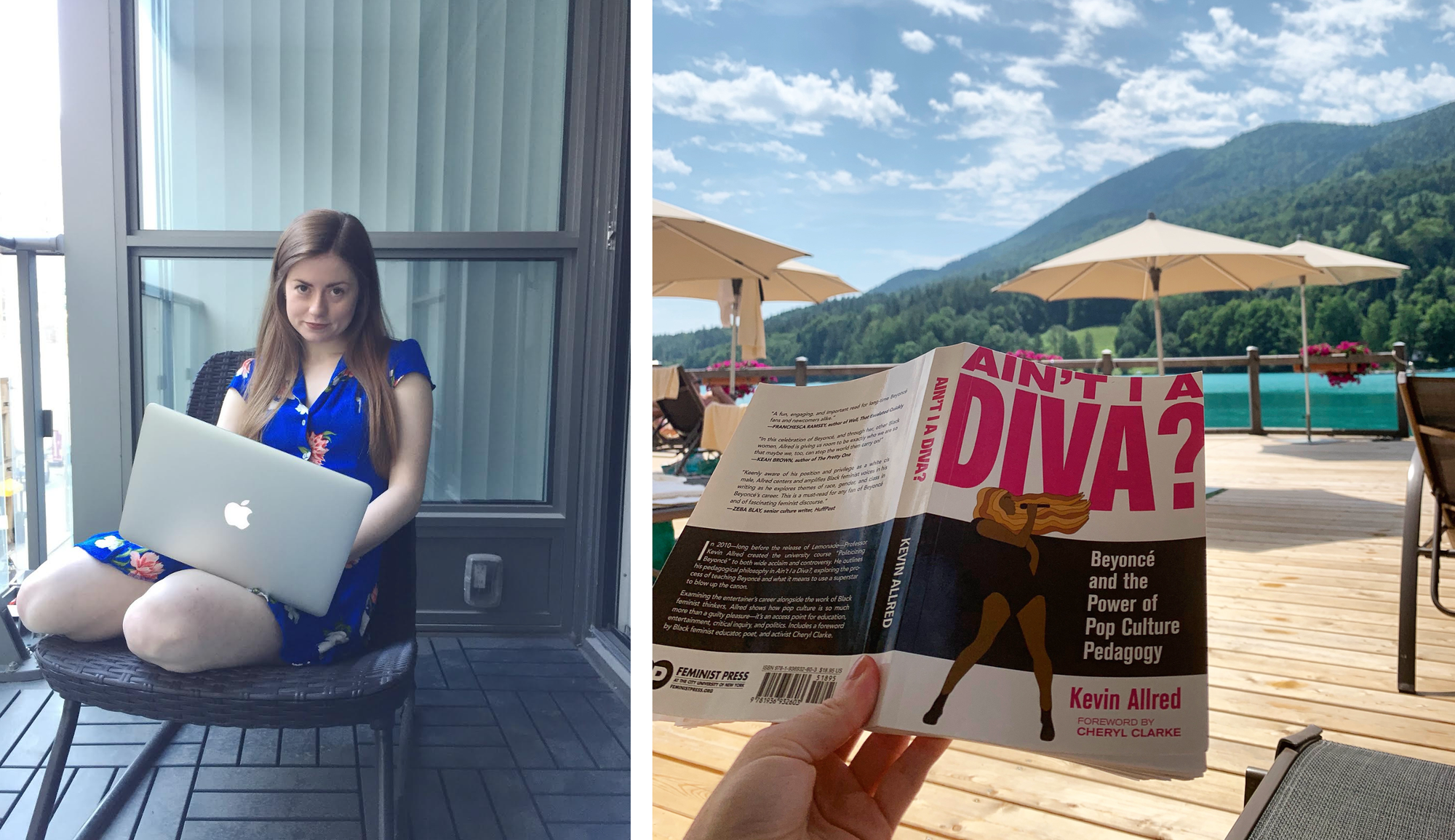
Smack in the middle of all of this, so 2016, I suddenly seemed to have a lot of trouble doing things (going for runs, getting to my summer job, etc.) without needing to quickly find a bathroom, a genuine physical issue that quickly snowballed into a semi-psychological one. I won’t make this whole entry about that, but it played a key role in me turning a rough idea I’d had—starting my own publication that might give the student-aged people around me some of their first culture writing bylines—into a reality. My classmates and I would be graduating in 2017, and I was truthfully panicking now that I wasn’t sure I could work a 9-to-5 despite having started my career on an arguably promising note. Reel Honey, as the site would be called, was a secret lifeline while I finished my undergrad, since I’d stopped going to parties and was often doing things like cabbing to class. (Scott had already graduated, too, so I was also just a baseline level of lonely and/or annoyed all the time.)
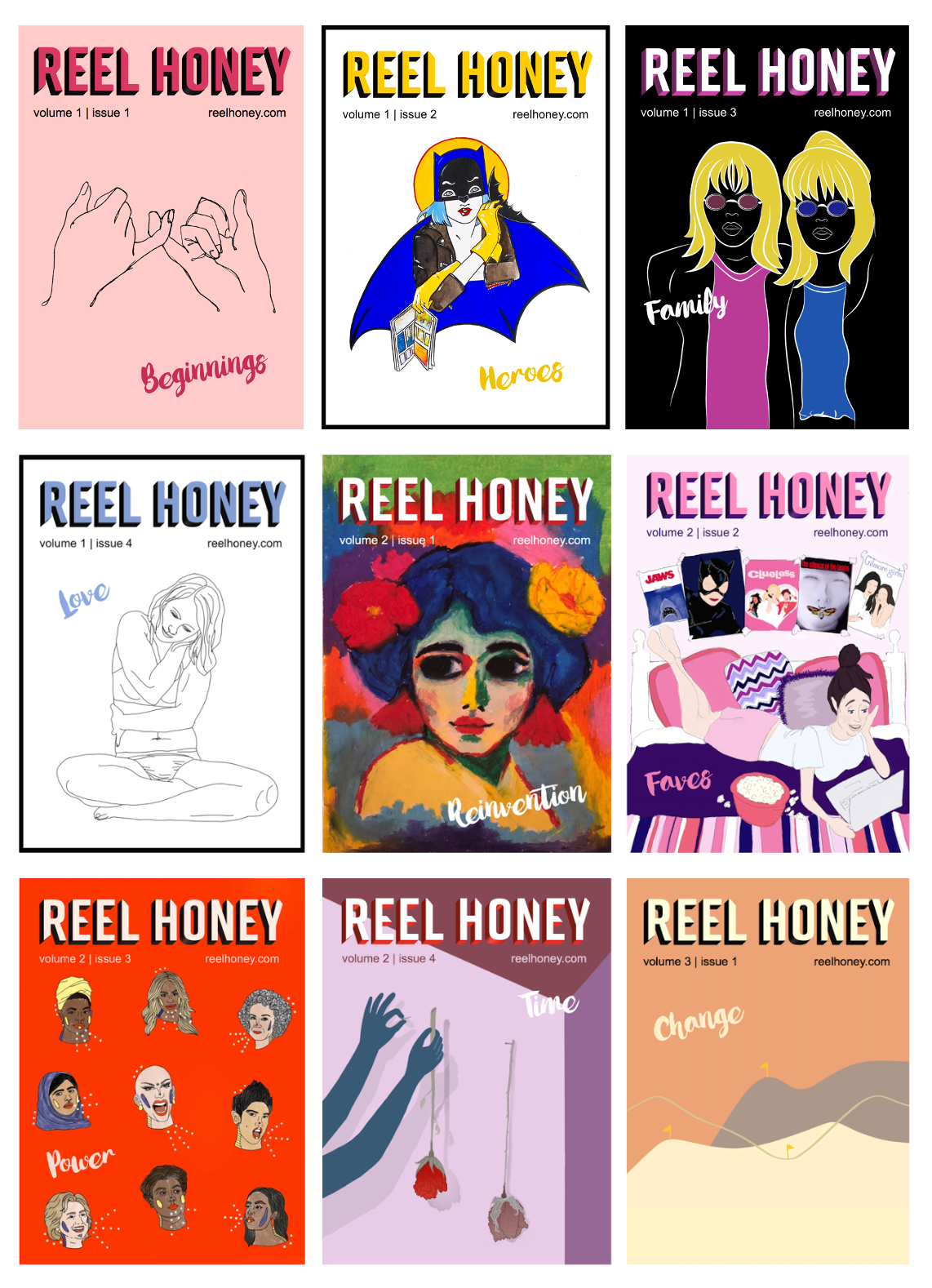
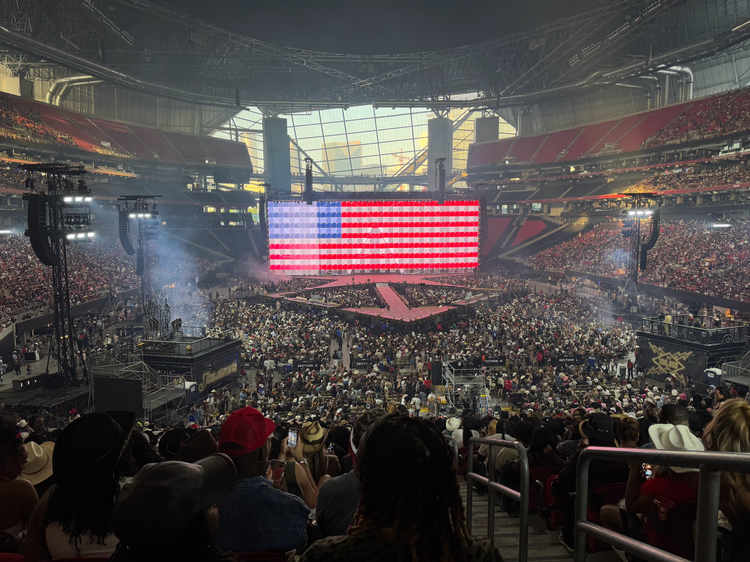
I had zero editing experience beyond having always been the résumé-proofreading friend, but “we”—it was just me, plus several writers and illustrators I’d commissioned ahead of time—nevertheless launched in the spring of 2017, a few weeks before graduation. (In a direct BW/DR rip-off, our first issue was called “Beginnings,” and in a direct cléo rip-off, every issue would have an original cover illustration.) Over the next couple of years, I’d make dozens of internet friends while running the site—many who’d become and/or remain dear IRL ones; I took one to the Cowboy Carter Tour!—and I was genuinely proud of our many accomplishments during that time (the writing and original art, the celebrity notices, the secondary opportunities for contributors, etc.). But I always lacked a long-term vision for it, probably because I’d realized pretty quickly that I didn’t want to do it forever and was therefore terrified to truly let it flourish.
This is an interesting chapter to look back on because I was outwardly killing it—strangers wanted to interview me, favourite professors invited me to come back and speak, etc.—but privately finding the whole thing overwhelming. Funding the site was always a concern despite me only paying people (figurative) peanuts, and I found that the whole dynamic made certain university friendships awkward at the same time as it escalated and nurtured others. Scott and I also moved in together during this time, purposely finding an apartment in Toronto’s Entertainment District so that I could be walking distance from basically any of the places I saw myself working at—I was also closer to all the doctors (etc.) I was always seeing, to little improvement—and then I quite literally could not get a job.
More than once, a big film festival put me through two or three rounds of interviews for an internship and then went for a different candidate. I had a similar experience at one of our big media conglomerates (whose security guard actually wouldn’t let me use the bathroom while I waited for the interview). I did another at one of our big distributors and was subsequently ghosted by their hiring manager; I couldn’t even get her to confirm the ‘no.’ I was tricked into getting a Starbucks with a woman who claimed to be impressed by me and eager to discuss a business opportunity… which turned out to be me joining her cosmetics-selling pyramid scheme, which I obviously didn’t do. By maybe mid-2018, I felt like I was totally justified in starting to consider grad school; I’d long known that I’d be ending up there regardless, and I badly needed a way out of whatever the fuck this was.
🪜 Getting into U of T (Valentine’s Day, 2019)
Not to complicate the above timeline even further, but since finishing my undergrad I’d also done a couple of continuing education programs around the city, sometimes taking professional development courses and sometimes studying, like, Victorian literature. These gave me something to do in the evenings—Scott had a job that involved a lot of travel, sometimes for weeks straight—and it doubled as a way of scoping out different campuses, seeing what the commutes were like (because commuting had special strings for me) and essentially cosplaying as the full-time student I knew I wanted to become again.
The most crucial program here, probably, was the certificate I got in “Multimedia Journalism” from the University of Toronto, which took me a single school year. The main required course was a sort of 101 in creative non-fiction, and was taught by a prolific (and endearingly blunt) investigative journalist. I only recall one of his assignments because it was the most meaningful to me: we were meant to profile someone we found fascinating who wasn’t a relative, and I convinced him to let me interview my now mother-in-law about the death of one of her sons when he was a toddler, and the role that the loss has played in her life and athletic career.
Nearly three years into my relationship, I remember still feeling a bit like the too-quiet new girlfriend in a family of fast-talking boys—all math geniuses, for some reason—and it was really me using the assignment as an excuse to understand this defining event of their life through their matriarch, who I was (unfairly, I now realize) convinced wasn’t my biggest fan. For a couple of hours, we talked in her office about all kinds of things—to paint a quick picture here, my mother-in-law is a pint-sized ball of muscle who’s always wearing at least something pink—and she eventually turned the figurative rock over for me so I that could see all the bugs under it just that once. I went home, cried, and then turned the 4,000-word transcript into a thousand-word profile that I’m not sure I ever even sent her way. I think we were both mostly just grateful for the conversation, which helped us see each other better as much as it helped explain the guy I’d fallen in love with.
The piece went over well with my instructor and classmates, who were moved by the story but also impressed that I’d gotten at my subject’s sparkle as much as I had what she called the ‘hole in her heart.’ Those two things didn’t really feel separable to me, even though other people who’ve written about her have separated them, and—sincerely hoping that I can word this gracefully—that sort of duality aligned her with some of the pop culture figures I’ve always gravitated towards, the ones that I subconsciously knew I wanted to devote more of my professional energy to.
It was probably the first time I’d gone through the work process that I’d repeat many times later, ingesting a tidal wave of information before spitting a coherent story back out. (It also foreshadowed how emotionally invested I’d get in virtually everything I’ve worked on since, which I see as my big Achilles heel as much as I know it strengthens my work.) I wondered whether I might be able to do that with stuff that was more obviously within my wheelhouse, but it was hard to say what my wheelhouse even was; I’d been so busy running the site that I hadn’t been nurturing my own writing career enough to know. (For reasons I’m not 100% sure about, I only ever felt comfortable contributing editor’s notes and sometimes interviews, preferring to write reviews and essays for other publications.)
I fired off my application to U of T’s Cinema Studies program in early 2019, putting all my eggs into that one basket because I’d decided that I didn’t really care to be anywhere else. My application name-checked several of the names and projects that people still associate me with and mentioned my interest in the “ever-blurring line between film and music video,” which I meant at least a few different ways. Included in that, I imagined—naively—that I might try and trace the history of the so-called visual album with my “Major Research Project” (MRP). (Not once did I consider the internship option because I’d been completely turned off of that word/world through all my fruitless job-hunting.)
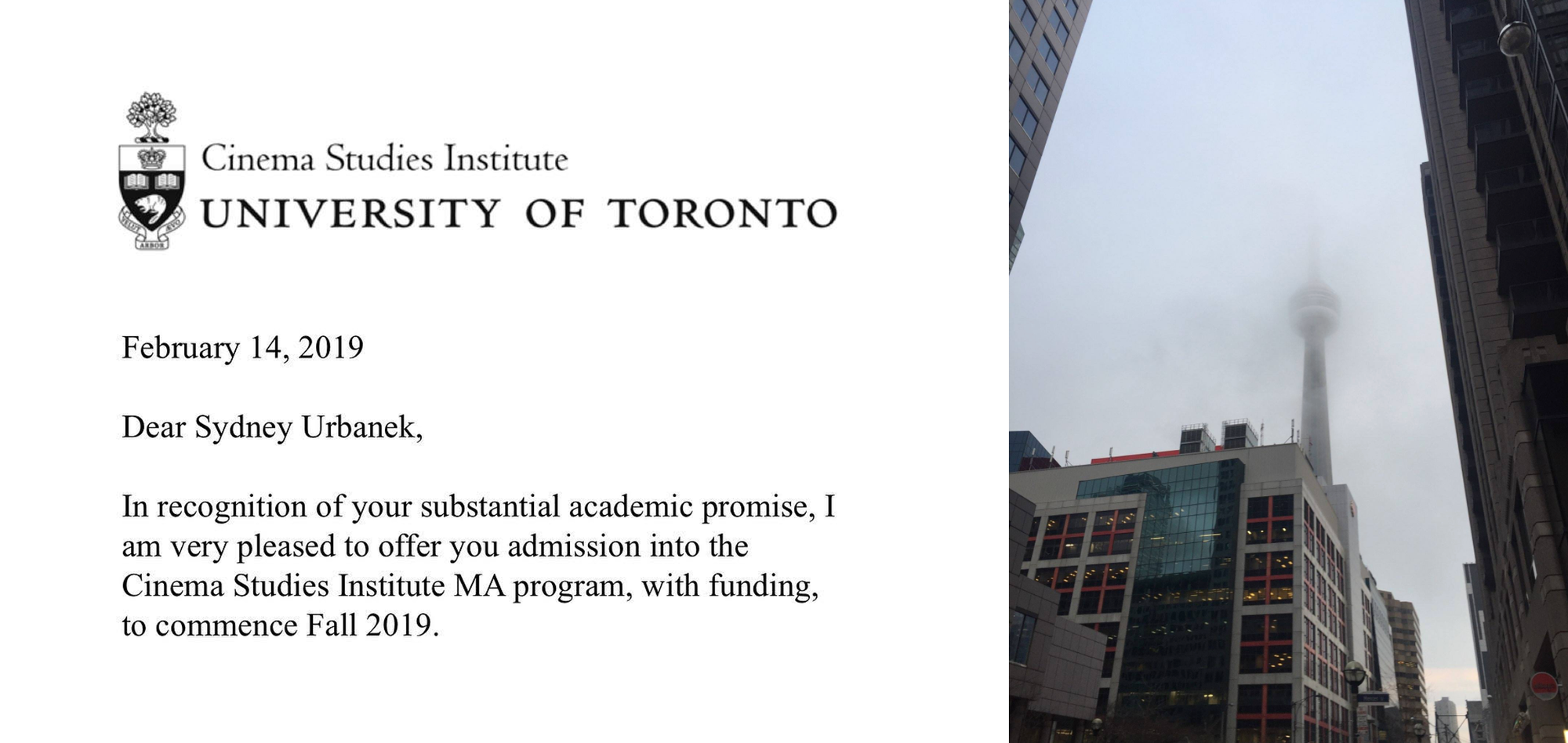
I received my acceptance on Valentine’s Day and remember knowing that it was both an ‘in’ and an ‘out.’ I used it as my official excuse to start winding down Reel Honey stuff, and Scott and I moved away from the neighbourhood of my many rejections. Our lease was ending at the same time as my grandmother was doing her biennial “I hate my building” routine, and it worked out that we actually moved into her place.
🪜 My grad student era (fall 2019-fall 2020)
My program was a one-year “intensive,” meaning that I’d be doing eight months of coursework while TA’ing first-year film and then taking the ensuing four months to write my MRP, which I’ll hereafter call my thesis (even though that connotes a much longer and more involved project).
Weeks before orientation, I let slip online that I wanted to launch a newsletter about music videos and the stories behind them—the bare-bones concept behind the one you’re reading now. An internet friend DM’d me to ask whether I wanted to instead write a column of that nature for their online publication. I didn’t exactly have time to do this, but I said yes anyway and then came to really appreciate having the outlet when my program turned out to be harder on me than expected. I liked my professors and even writing term papers for them—there was one about Drake’s “God’s Plan” (2018) video, another about M.I.A.’s moving-image career, and actually two about Parkwood Entertainment’s documentaries—and I loved teaching, but I’m seemingly not meant to be around so much film philosophy all the time.
I also typically went home each day, brain-exhausted and Imodium-dehydrated, to complete silence because Scott was somewhere in Europe or Asia. Though I’m laughing out loud that I’m about to share this, I watched the just-released Homecoming incessantly during this period because the film was about needing to mentally and physically survive precisely eight months, ideally coming out of them pressurized into some sort of diamond. (For whatever reason, I was genuinely looking forward to writing my thesis and saw it as a kind of reward.)
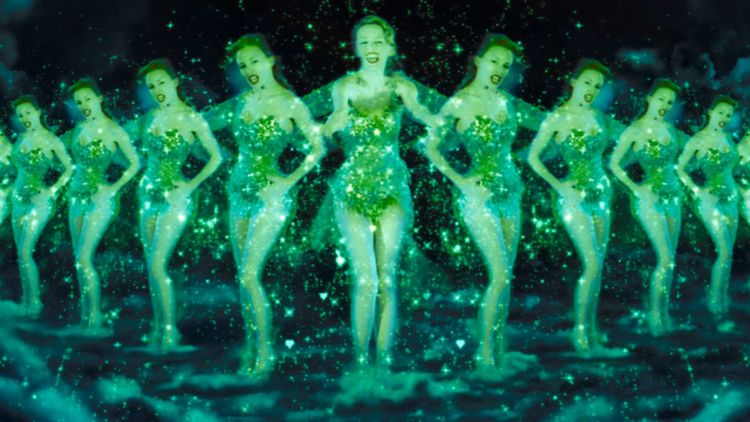
Meanwhile, I believe that I’d published only three columns—about Beyoncé’s “Rocket” (2013), about Gwen Stefani’s “Cool” (2005), and about the ghost of Madonna’s late mother in her videography—when the place I was writing for imploded, literally going offline for a stretch. I moved those first few pieces over to Medium, then self-published the other three that I already had somewhere in the pipeline: a two-parter about the videos that came out of Justin Timberlake and Britney Spears’s 2002 breakup, and a tenth-anniversary retrospective on Lady Gaga and Beyoncé’s “Telephone” (2010).
I don’t stand by every single sentence of those essays now—there was lots I didn’t know yet about these artists and their industries, and this was before I used to fact-check everything I wrote line by line—but they were some of the most thoroughly researched (and perhaps juicy) that I’d written. They also brought me unprecedented attention online, meaning I was starting to build an audience that seemed to want to read more music video stories through my particular “blogging through my film MA” lens. Additionally during this time, I was having some of my first run-ins with stans, learning how to engage them without necessarily joining them, and getting acquainted with various fanbases’ preferred narratives and grievances, which I always find helpful to understand even if I sometimes have a different take.
Working on that “Telephone” piece, which I published in March of 2020, a couple of important things happened. One was that I had a meeting with a wise professor who told me, deadpan and without mincing words, that it wasn’t possible to adequately trace the history of the visual album in the small handful of months I’d be working with. I was so deflated walking out of that meeting because I knew she was right, even if the abandoned visual albums project would continue to nag (and more on that later).
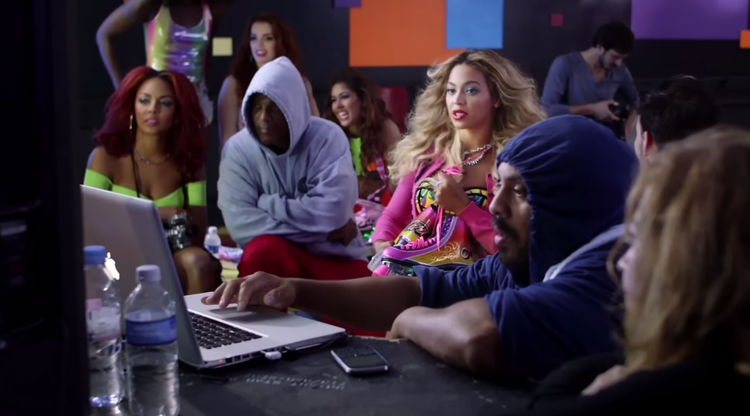
The second important thing that happened, of course, was COVID; my “Telephone” essay dropped 48 hours before U of T asked everyone to please stop coming to campus. When it became clear that I’d be writing my thesis entirely from home—and that it needed to be about something other than the thing I’d been thinking about for years and making notes on for months—I took one of the names that would’ve been a recurring part of my story, “Telephone” director Jonas Åkerlund, and decided to zoom in on his strange and prolific career. (He’d worked on two visual albums for Beyoncé, another for Fergie, an earlier project of note by Roxette’s Marie Fredriksson, and a Paul McCartney film whose genre you could easily argue about.)
I’d realized writing the column that Åkerlund’s work had followed me around in a curious way since my childhood, when he was directing things like Madonna’s “Ray of Light” (1998) and Christina Aguilera’s “Beautiful” (2002). He’d also played a major role in shaping my taste as a recovering Tim Burton kid who enjoyed watching scantily-clad pop stars misbehave, since he’d been behind everything from “Paparazzi” (2009) to “Haunted” (2013) and “John Wayne” (2017).
I’d also clocked, sort of by accident one day, that Åkerlund’s videos almost always contained some kind of surveillance footage, which had typically registered for journalists and critics up until that point as an interest of his clients’ rather than himself—the fact that there’s CCTV stuff in multiple of his Beyoncé videos, for example. I figured there might be something there, so I planned to spend May doing nothing but watch things, take June to do nothing but read things, and July and August to pull some paper together.
🪜 Mononym Mythology (June 2020-forever)
Procrastinating my thesis one day, I finally launched the newsletter that I’d started tweeting about the previous summer but had been thinking about for a couple of years: Mononym Mythology. For the next several months, it would exist on Substack before I finally got fed up with Substack’s constant bad press and moved it here to Ghost; for the next several years, I’d go back and forth on whether I actually liked its name before deciding that I think its awkwardness kind of suits me. Though I haven’t always sent things out as consistently as first imagined—that will obviously change whenever I get around to introducing a paid tier—it’s probably where I’ve done some of my best and most interesting work. And if I’ve exploited myself from time to time, which I absolutely have, it’s at least been totally on my own terms.
I’ve given several issues their own entries below because I think they warrant a proper rung, but in general: I’ve interviewed authors and directors and even my middle-school dance teacher; I’ve sent out everything from quick dispatches about Larry King’s death to deeper dives on the night Madonna went head-to-head with Toronto’s police force; I’ve rounded up links to writing I recommend and to pasta dishes that kept me alive through some fact-checking binge. It’s always been the plan to keep writing this thing forever, no matter what else I get up to in my life or career, and I’m truly grateful to anyone who’s ever tuned in at some point. I have so much more in the works than might be obvious… all in good time!
🪜 “Eat (and/)or Be Eaten: Commandeering American Surveillance Culture in the Film and Music Video Work of Jonas Åkerlund” (September 2020)
I’d had fun over the summer going through Åkerlund’s insane body of work, which definitely helped distract from everything else happening in 2020. My thesis supervisor was Nic Sammond, whom I’ve been bothering lately about the Cowboy Carter Tour interludes because of his expertise in the history of animation. He wasn’t terribly familiar with Åkerlund, and that didn’t matter to me at all; Nic had taught one of my seminars and clearly could not only tolerate me—I’d written that term paper on Jay-Z’s “The Story of O.J.” (2017)—but also give me usefully forthright feedback throughout the process.
He was also an American Studies scholar (and American-born, if I remember correctly), which seemed useful a couple of ways. For one, my month of Åkerlund screenings had given me another huge through-line to contend with in the form of Americana/American flags/what you might call satire of American culture, but neither Åkerlund nor myself hailed from the US originally. Maybe more important, though, Nic was connected with Carol Vernallis, one of the most respected music video scholars out there (whose work I mentioned reading in my spare time a little earlier). He was able to forward me to her—Carol let me talk through my research interests over Zoom for maybe an hour, which she didn’t have to do—and I was eventually hot-potatoed over to Åkerlund himself, whom she’d interviewed for her own work in the past. (She’s cited in Vol. III of the Parkwood series in the context of his On the Run Tour film.)
Speaking to the director for the first time—in June, according to my camera roll—was a highlight of my career, and I’ve circled back to his camp for different pieces of writing since (including just a few months later, when I interviewed him for this newsletter about Britney Spears). He’s always been extremely generous with me, but on that day he was actually hesitant to admit to any sort of overarching mission behind the CCTV footage, or his constant American flags, or the many instances where you get both tendencies in the same project or even frame. This was just fine, perhaps better, because I could come up with my own ideas about what this footage was doing regardless of his intentions.
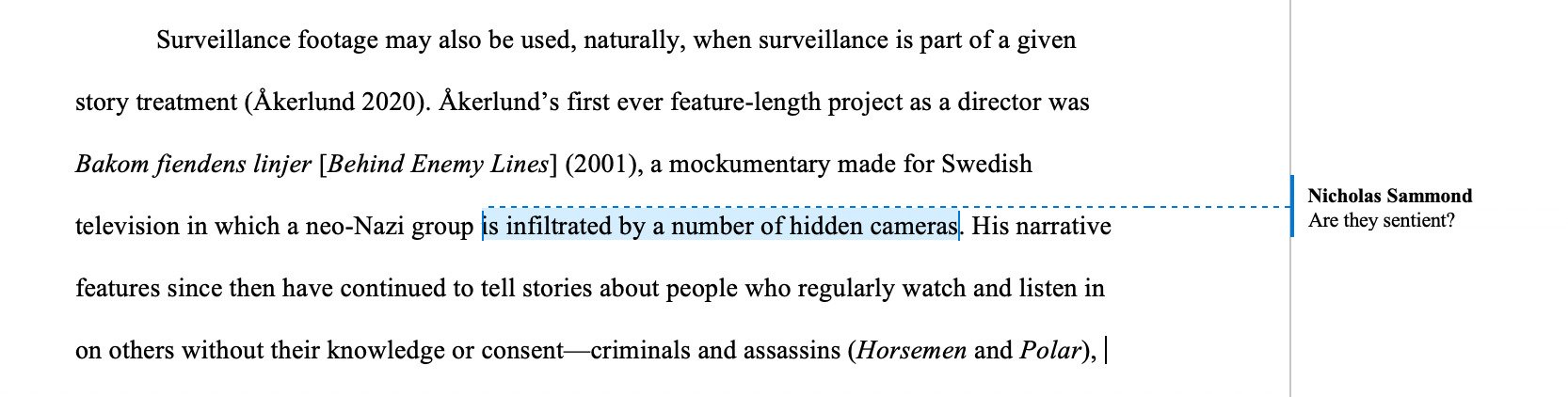
The gist of what I wrote, which I largely read back now with a raised brow, was that Åkerlund’s work is rife with characters collecting and circulating imagery of other characters, often using CCTV technology and not always with their consent or even knowledge. Certain examples are relatively harmless or supposedly sexy in context; in “Who’s That Chick?” (2011), David Guetta and Rihanna keep an eye on each other this way from what seem to be separate spaceships. Other examples, though, are much darker, like in Madonna’s “God Control” (2019), where CCTV cameras capture a mass shooting at a nightclub at the same time as Madame X is having a different mass shooting beamed onto her apartment TV set (and this latter example was one of many in Åkerlund’s work that made its Americanness very explicit somehow).
I wrote about there being a sort of circuit created here—constant footage in, constant footage out—and how said circuit can, depending on the example, bear witness to or actually help facilitate American “consumption,” in the sense of people being swallowed up by things like TMZ but also sometimes facing more literal violence. The whole thing was probably pretty influenced by that summer’s global Black Lives Matter protests, which had emerged in part because of mass-circulated citizen journalism but also then went on to be mass-circulated themselves, in what felt like this endless surveillance loop. In “Superpower,” CCTV cameras capture Beyoncé and her friends at some kind of demonstration, but there’s no indication as to what happens to that footage afterwards. In the later “Make America Great Again” (2016), however, Pussy Riot go extra violent speculating about the dangers that surveillance technology poses to protestors. I was generally less interested in how specific artists/videos handled surveillance, and more in what Åkerlund’s work seemed to have to say about it if you were treating all of these jobs as existing in a single universe of sorts.
But the paper ultimately became about the clients, often women in pop who’ve faced the kind of hyper-surveillance that comes with the territory, who choose to be active players in this so-called circuit. Sometimes they merely make clear that they’re aware of it, as when Britney Spears winks at the gossip-industrial complex that had caused her so much pain (and so many legal problems) in “Hold It Against Me” (2011); “Haunted” is another example where Beyoncé does some of her own surveilling in addition to being surveilled. Sometimes these stars actually damage the circuit, as when Mrs. Carter smashes a CCTV camera in “Hold Up” (2016)—released just two years after a different camera had caught her family in the midst of a private argument.
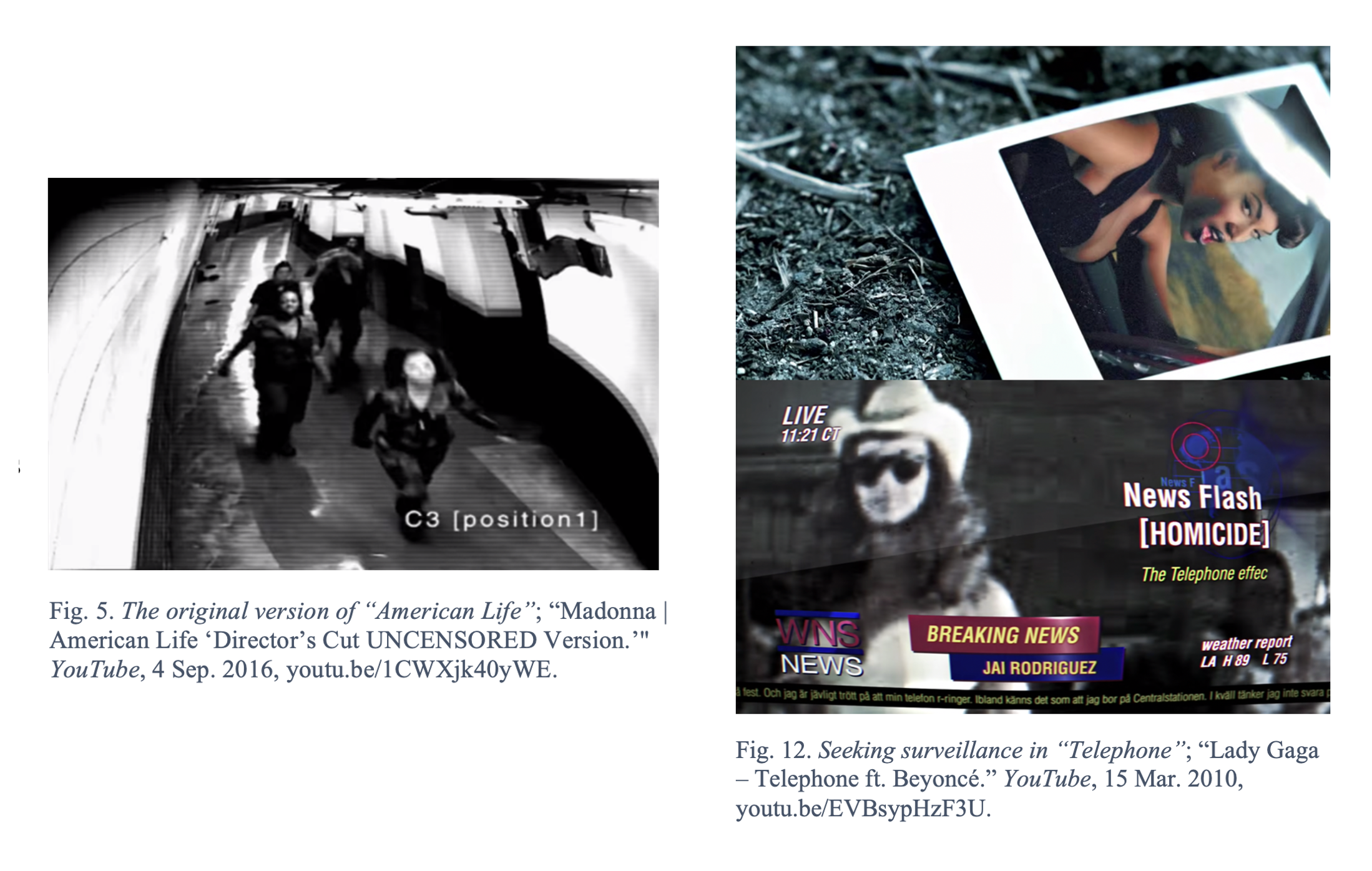
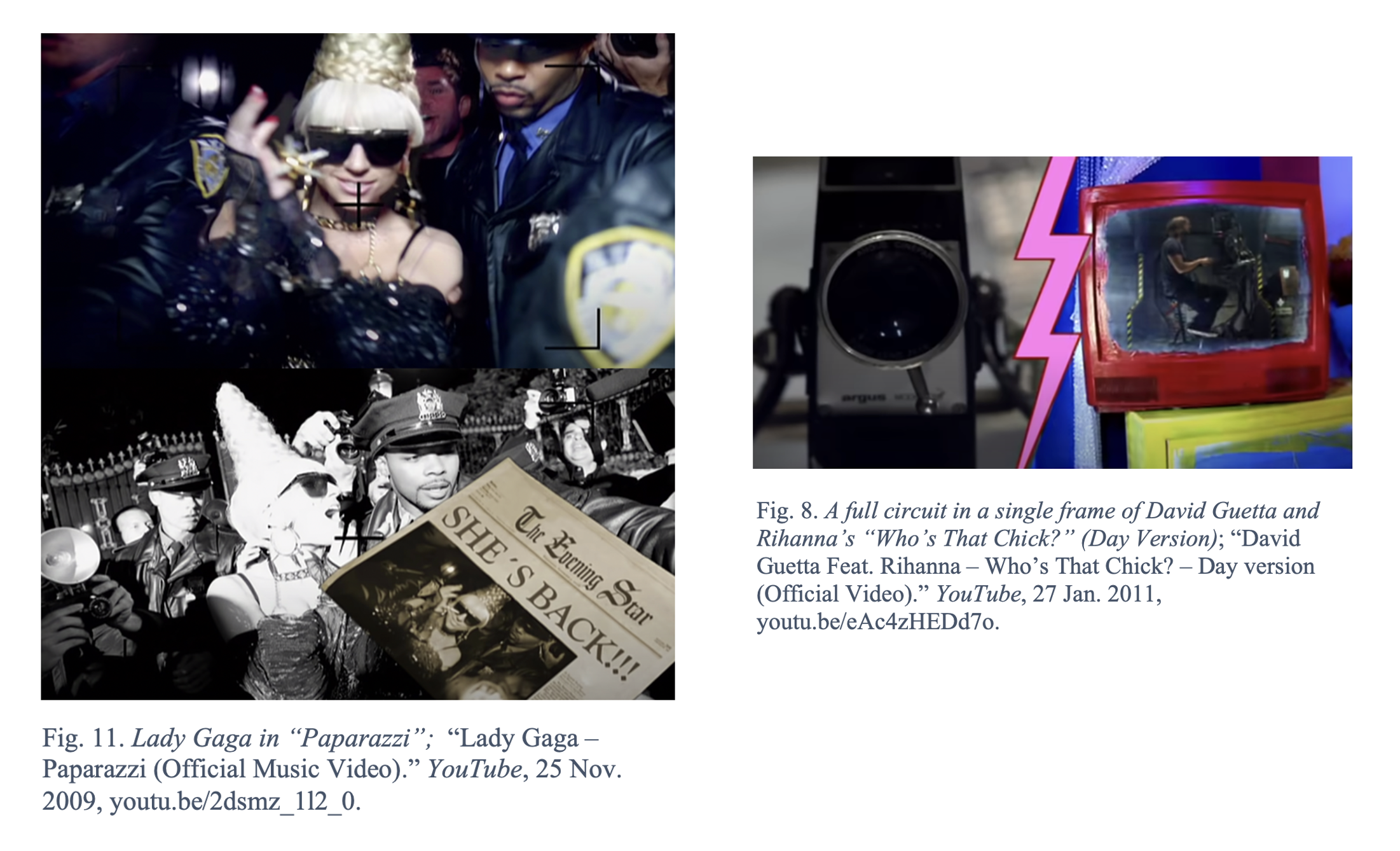
The most fascinating example, however, was potentially Lady Gaga, whose first two videos with Åkerlund (“Paparazzi” and “Telephone”) were both about her trying to essentially commandeer American surveillance culture, messing with the circuit from within rather than complaining about it or opting out of it. “Paparazzi” begins with her being nearly felled by surveillance—she’s thrown from a balcony after realizing that she’s been set up for a photo op—but then mounts a twist comeback where she becomes the one manipulating media attention. “Telephone” subsequently takes this idea to a new extreme, where Gaga and Beyoncé are the kinds of mass-murderers who’d capture Polaroids of themselves on the way to the crime scene before letting them fly out of the car window (which I’m aware is a Thelma & Louise [1991] reference, thank you very much).
It’s genuinely hurting my brain right now to revisit some of this stuff and try to convey it clearly—I’m also too embarrassed to spell out the whole “Eat (and/)or Be Eaten” aspect of the title, which came back to that same consumption metaphor—but the most valuable thing about my thesis experience was becoming an expert in this one very idiosyncratic Swede. I’ve been able to use that research for various things since, but I also think there’s probably still some piece of writing ahead of me that better exorcizes all the work I did that summer; I just don’t know what it looks like yet.
🪜 “What Happened Between Madonna and David Fincher?” (Mononym Mythology, October 2020)
Back when I’d been working on that one column about Madonna’s late mother, I stumbled across a line in a 1991 Vanity Fair profile of the superstar—and the groundbreaking documentary she was gearing up to release at the time, Truth or Dare (1991)—that was a relatively minor detail in context. “David Fincher, who directed some of Madonna’s best videos … was scheduled to make the movie,” wrote Lynn Hirschberg, “but reportedly he and Madonna were romantically involved, and when their personal relationship cooled, so did their professional alliance.”
I’d known for a long time that Fincher directed a handful of videos for Madonna between 1989 and 1993, and I’d actually written something about “Express Yourself” (1989) for one of the smaller pubs I contributed to prior to my MA. But as someone who’d only become a real Madonna fan in my adulthood—I’d long been a Fincher fan—this was the rare thing about her I’d learned that didn’t seem to already be common knowledge among everyone else. Revisiting some of the stuff they’d worked on, this information also seemed to unlock a new dimension to said work for me—the four videos in question included some of her most sexually provocative and/or emotionally vulnerable—not to mention cast certain interview comments made by both parties in a different light.
 Sydney Urbanek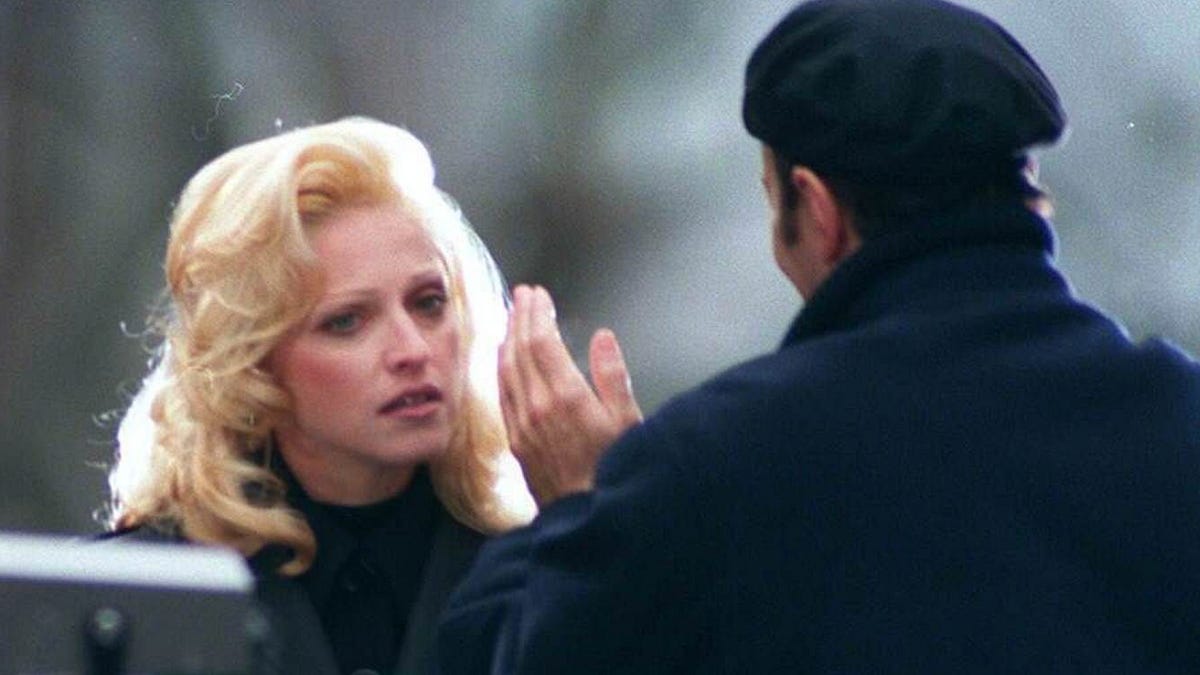
In the weeks after I handed in my thesis (and also got engaged, which I’d stipulated couldn’t happen until then), I churned out something for this newsletter that revisited the timeline of their collabs now that I knew they’d been hanging out off the clock, my safety net arguably being that a legacy publication had once used the phrase “romantically involved.” It wasn’t a scoop, in other words, so much as me re-introducing a bit of buried info to a new generation. I did so in a way that strikes me now as unusually salacious for my work (as well as somewhat cringe, though I’ll start cringing at anything I write as soon as it’s a few months old). But it was obviously a compelling story, and I’d be lying if I said I didn’t know it would do at least somewhat better than my previous issues up until then.
I probably had fewer than 100 subscribers—my newsletter was four months old—but a couple specific things contributed to the minor storm that followed. One is that I hit publish in a moment where Mank (2020) press was starting to really ramp up (not intentionally; it’s just when I finished the piece). And two, I chose to tweet things out with the following arrangement of words: “I wrote about how Madonna and David Fincher boned.” The tweet went semi-viral, which had never happened with any of my work before, and it seemed to be a hit with “Serious Cinephiles” (in quotes) in a way that was kind of new for me, even having written my way through two film degrees. (Years later, after a few drinks, I’d go to re-pin that tweet to the top of my profile—Capricorn drunk behaviour, I guess—and delete it by accident instead, which is why you can’t find it.)
In the ensuing weeks and months, I gained hundreds of subscribers and some unknown number of social media followers, which I can’t be mad at because many are still here with me and some would eventually reach out wanting to hire me and/or become my very good friends. Writing this now more than half a decade later, I believe that the piece has been cited in two books about Fincher—one where the mention is pretty neutral (below), and the other implying that it was “soupy” and not to be confused for rigorous and vetted academic analysis (ironically, while misspelling both my newsletter’s name and my own).
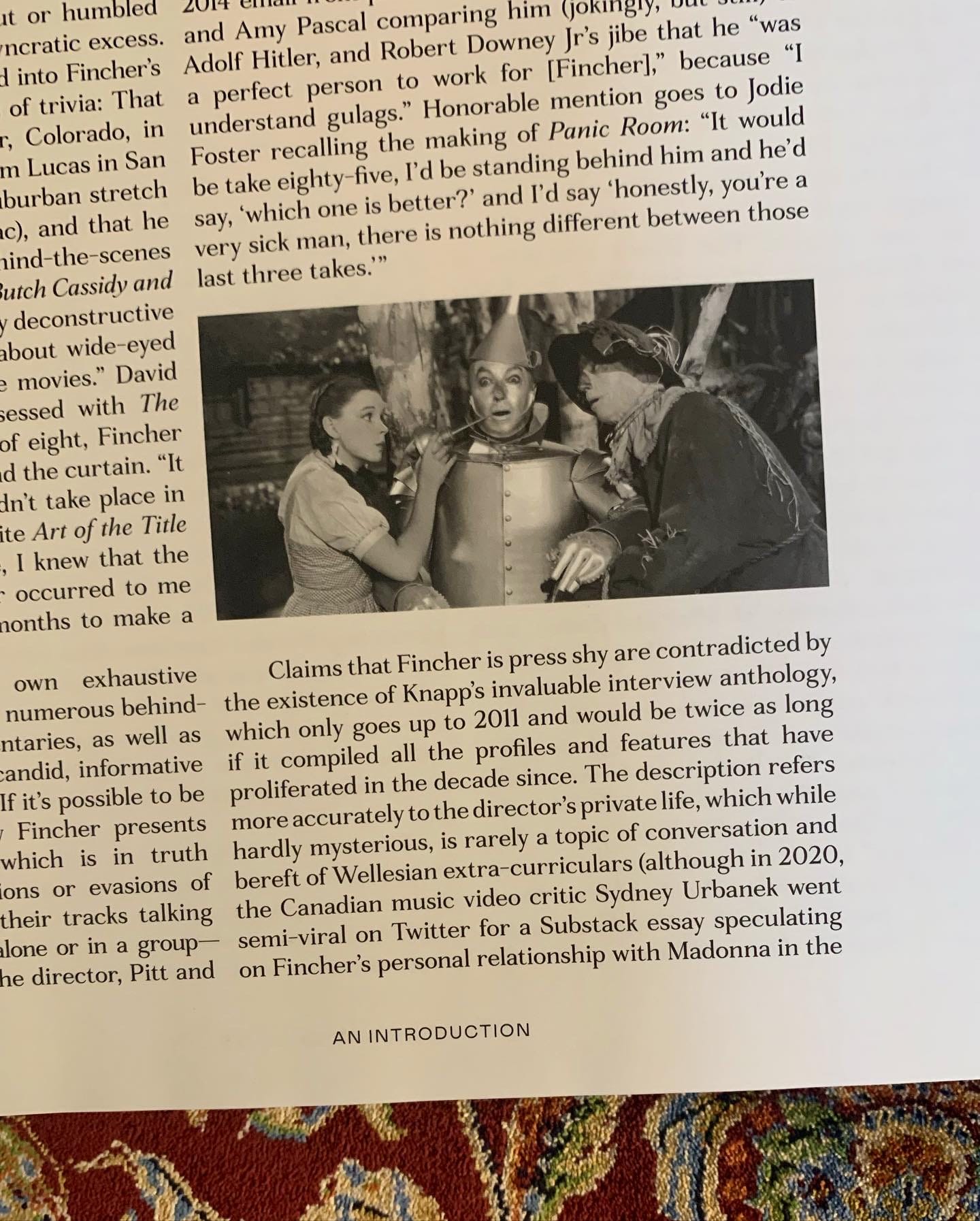
“The Madonna/Fincher piece,” as I tend to call it, is an integral part of my career story and—again—I’m not really a regrets person, but I sometimes wish that I’d written it with the knowledge that tens of thousands of people would read it, just so that certain bits were tighter and less embarrassing to me now that I’m no longer 24. (I also wish that I’d customized the URL, which I’m not sure I even knew was an option on Substack at the time. It may not have been yet!) Other things I’ve written about this same period in Madonna’s career strike me as more representative of my overall interests and expertise, but you don’t have to agree.
🪜 My emerging critic era (fall 2020-spring 2022)
That same fall marked the beginning of a longer period where I regularly wrote film reviews with real editorial oversight—mostly for places like Little White Lies, Paste, and the Spool—and ultimately got to a place where I felt decently comfortable saying the words “film critic” when people asked me what I did.
 Sydney Urbanek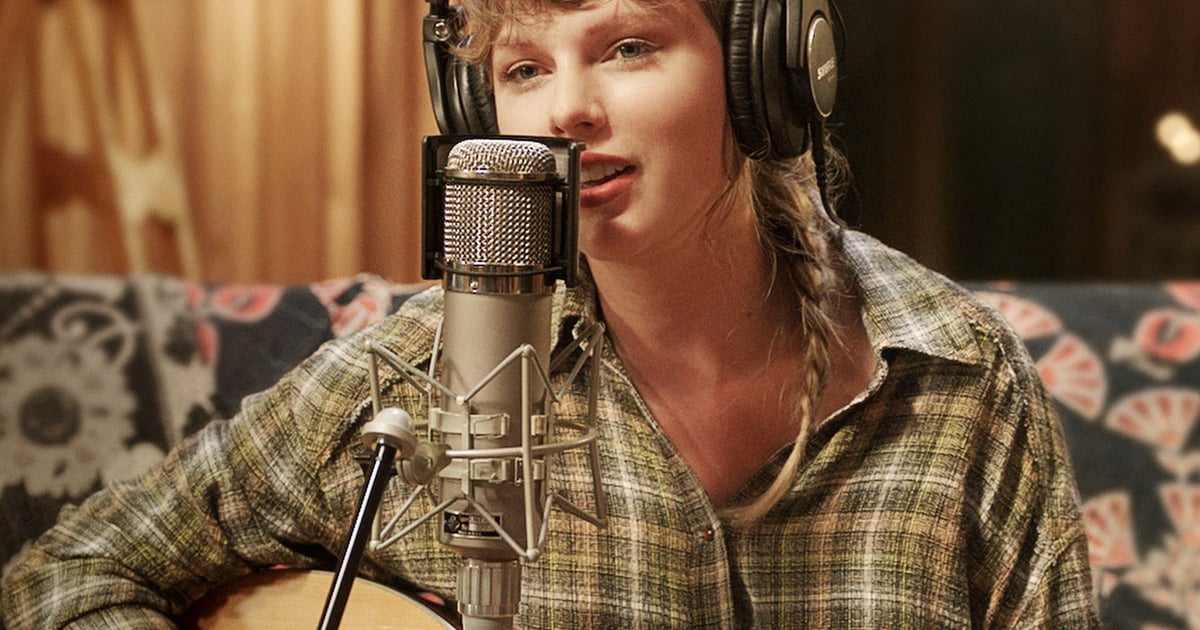
With some exceptions, this was basically all coverage of music docs, concert films, and music biopics, which was just fine with me (and I’m still thrilled to be considered for this kind of work). But I remember that my tendency to over-research—it may have something to do with an undiagnosed acronym working against me, I’m just still in the process of determining which one—combined in an unpleasant way with my awful work habits, which were probably holdovers from my student days but maybe also mystery acronym-related.
Sydney Urbanek
In order to review, say, the Charli xcx doc Alone Together (2021), I strangely felt like I needed to go through her entire discography and videography (!), which meant that another critic’s day-long writing gig turned into more of a week-long thing for me (and I obviously wasn’t looking at the kind of rate where this made any sense, as much as I loved working with these editors). I was also good at ignoring anything that wasn’t work whenever I had one of these projects on the go, and this started to look different as I crossed from my early 20s into my late 20s and could no longer, for example, stay up until five in the morning finishing a draft—at least, not without feeling like I’d perish.
At some point, I clued into the disconnect between how hard I was grinding here and the actual payoff—not strictly in terms of money, but also things like piece shelf life and even audience potential. I was often sacrificing my well-being for festival and same-day coverage just to write things that only felt timely right then and there, and often about films that even my most interested readers had no way of watching yet—a weird aspect of the film criticism game in general. The longer deep dives I’d self-published back in my U of T days, meanwhile, were still netting me new readers and feedback on a monthly or even weekly basis years later, and it was this stuff that I seemed proudest of as time went by. I therefore always kept some kind of bigger research project on the go during this period, several of which I’ve given their own rungs.
🪜 “Notes on Marie Antoinette, or: the MTV Sensibilities of Sofia Coppola” (Bright Wall/Dark Room, February 2021)
I’d contributed to BW/DR for the first time in late 2020, exorcizing a personal demon for an essay about Mermaids (1991), and appreciated the editing experience so much—that time around, I’d been paired with the lovely Zosia Millman—that I was back almost instantly. For the Music Redux issue, I pitched something about Sofia Coppola’s Marie Antoinette (2006) as “the centrepiece of [her] MTV-inflected career, conceived as it was as a sort of love letter to the music and music videos she loved as a teenager.” (The piece was given a beautiful original illustration by Tony Stella, who passed away while I was tying up this issue.)
 Sydney Urbanek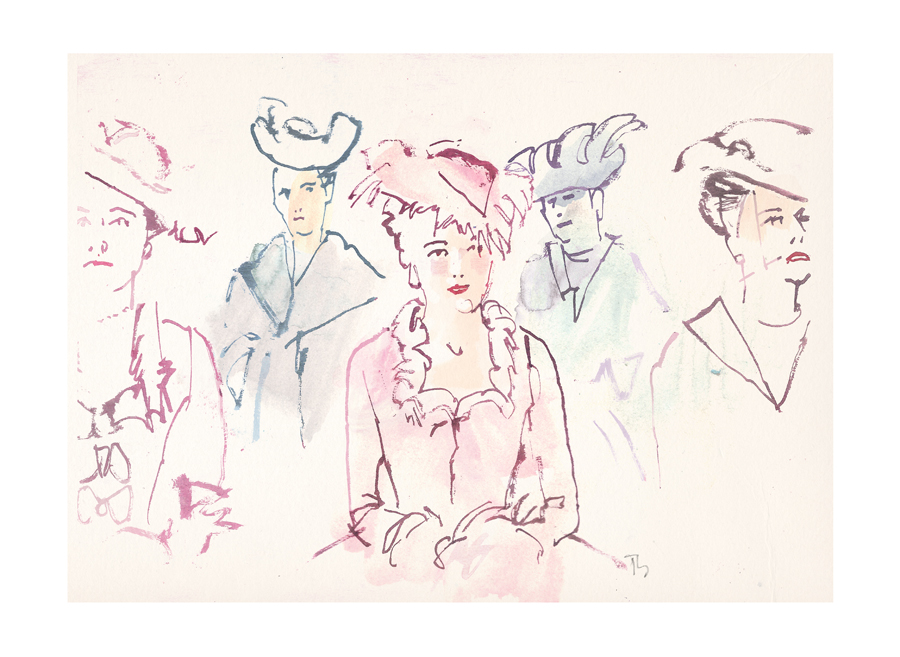
I’d seen the film in theatres with my family when I was ten—I imagine that there was some hope it would teach everyone something about Austria, which it only vaguely did—and found my brain permanently altered by what the director herself has called its “New Romantic spirit.” Which is another way of saying: her styling of Jamie Dornan’s rogue character as an 18th-century Adam Ant, something I put together at home on the family computer, did irreparable damage to both my preteen imagination and my aesthetic tastes. 15 years on, I was fascinated by how Ant had broken out when Coppola was a preteen, and how she’d volleyed that same hormonal experience over to me in 2006. That’s really what the piece is about even though I never say it, and I think there’s an equivalent psychic explanation behind virtually everything I pursue.
As usual... I did what was surely more research than necessary, watching all of her stuff back (including lesser-hyped titles like Lick the Star [1998] and A Very Murray Christmas [2015]) and even combing through the Antonia Fraser biography that Coppola’s film was very loosely based on. As usual... I got completely swept up in the whole thing because of how personal I’d realized the piece was while working on it; I can close my eyes right now and picture myself at my dining room table at two in the morning, deep in the Wiki page for some lady-in-waiting.
I’m also realizing in this moment that this was the first time I’d ever worked with Ethan Warren, who’d soon become a multi-hyphenate in my life—one of my biggest work collaborators to date, but also a damn good friend.
🪜 “How Madonna References Classic Films” (Be Kind Rewind, June 2021)
I’m not 100% sure when it was that Izzy Custodio and I first became friendly online, but my Twitter DMs tell me it was in 2020 that we started shooting the shit one-on-one. Hilariously, it would take me many, many more months to learn I’d befriended a YouTube superstar—I had little familiarity with its film criticism/history space beyond my friend Dan Simpson’s work—which I think was probably a good thing.
In early 2021, Izzy reached out and mentioned that her subscribers had indicated some interest in a video about Madonna’s career-long tendency towards classic Hollywood, and she for some reason thought I should write it with her. We spent the next several months putting it together over Zoom, and I remember that our joke working title was something like “Madonna Marilyn Mae Marlene.” Some of what I’d recently been writing about the star in the newsletter was repurposed for the script—it’s also funny to watch it back now and be able to figuratively hear myself so clearly at certain points—but the majority of the video was easily Izzy; I remember having my mind blown by how much she knew about things like Reaganism and the Weimar Republic, and she was obviously solely responsible for all of the actual production. (I officially realized just how beloved she is when she unleashed a flood of new followers on me in identifying me publicly as co-writer.)
I’m grateful to still count her among my friends these days; I actually just texted her a moment ago asking for a microphone recommendation. But we’ve technically only ever hung out once in person, when she brought me pastries during TIFF because I’d opted out of the festival that year (and more on that in a future rung). (Most recently, she also captured the last on-camera thing I ever did before my hair fell out.)
🪜 My legacy publication era (summer 2021)
The same summer as the Madonna video dropped, I seemed to suddenly fall through the doorways of several legacy pubs at once—if I remember correctly, all because of various newsletters or tweets I’d fired off. This was a nice ego boost and a relief for my family after the strangeness of me graduating with an arts-related master’s degree into a pandemic; I still coast a bit off of some of those bylines now because they’re names that the average person will recognize.
Sydney Urbanek
It also produced some of my more bizarre work stories, like being deep in my first real reported piece when it was suddenly killed by a major pop star. I generally got a good look at How This Business Really Works during these months—legal team passes, pre-obituaries, and so on—and was sometimes so grateful/excited to be making a debut somewhere that I was too deferential during the editing process. There’s sometimes this weird clash, as a result, between how well I remember certain pieces landing and how little they sound like me when I read them back.
🪜 My Bright Wall/Dark Room editor era (fall 2021-spring 2023)
In all my years reading BW/DR, I’d virtually never encountered a typo or spelling mistake, something that’s tragically rare in our media landscape because, again, everyone’s just doing their best with fewer resources than ever. So, on some occasion that I did encounter something amiss, I quietly let them know about it, in a move that was bold of me but apparently appreciated. (In my defense, this was sometime after I’d contributed those two pieces, so I was friendly with the team.) Ethan and Zosia, who’d both edited me for the site, had also gotten good looks during that process at how… let’s say detail-oriented… I can be about a draft. When the team needed a new copy editor in the fall of 2021, my hat was thrown into the ring without me knowing, and I essentially received a note telling me that I could start instantly if I was interested.
I spent the next year and a half as a “contributing editor” for the site, playing final boss to three or so pieces a week and occasionally getting to be the main/more developmental editor on things. Not unlike with Reel Honey, I learned so much doing this and made some truly wonderful friends, several of whom I’d actually get to edit—am still getting to edit—years after leaving in early 2023. As one of the more involved team members, there’d just eventually come a time when I realized I wanted to devote more energy to other things.
🪜 My accidental cover story (This, November 2021)
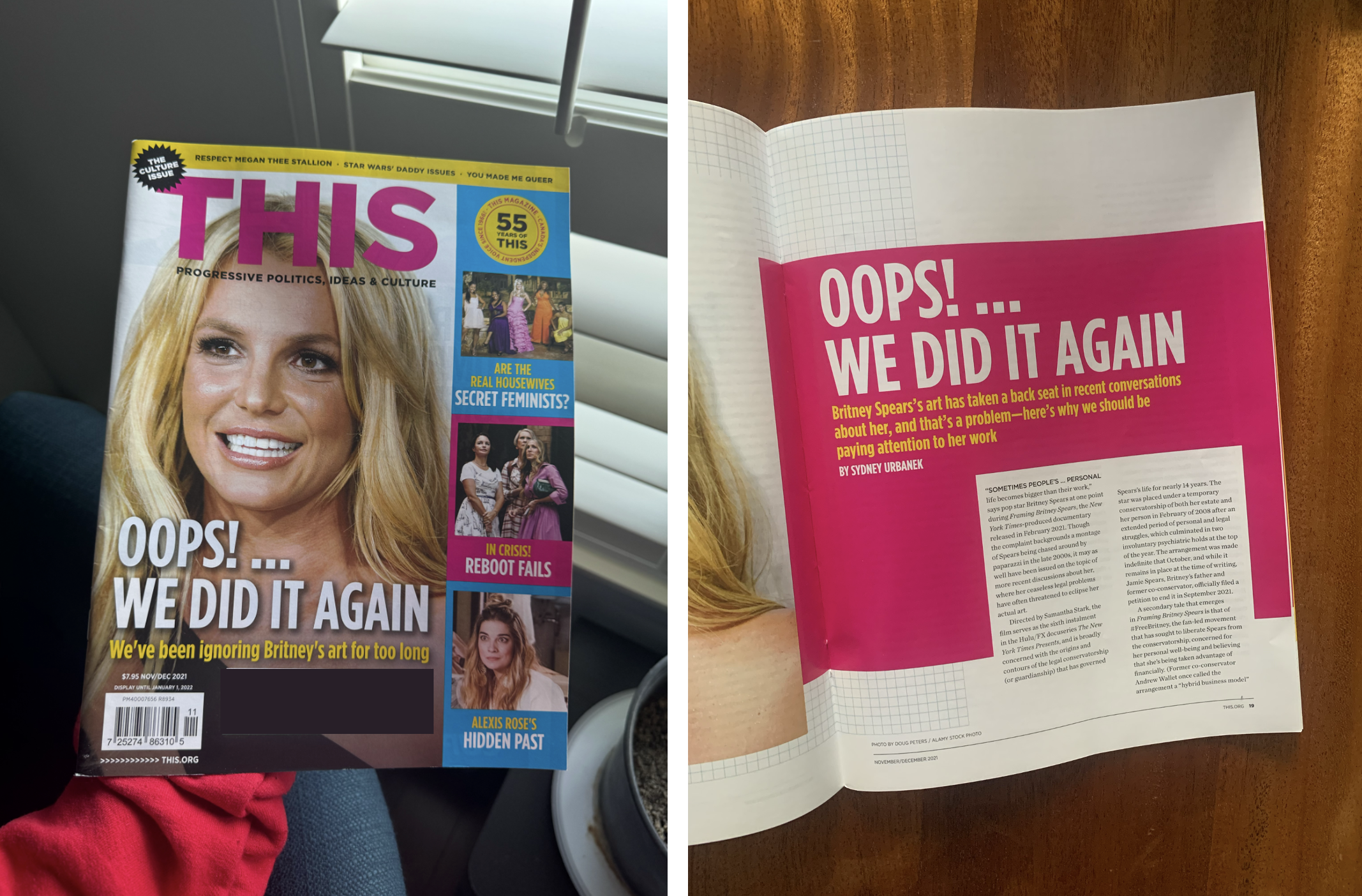
In all the professional writing I’d done in the year or so since graduating, I’d somehow not worked with a single Canadian entity until This put out a pitch call for their Pop Culture issue. I’d spent a lot of 2021 following (and sometimes covering) that year’s big wave of #FreeBritney-adjacent documentaries—there were at least three between just Hulu and Netflix—and eventually got to write this feature about how they tended to skip over Britney Spears’s actual art, which seemed unfortunate to me because it was where she’d always done a lot of her commentary on themes like power and control. (As mentioned earlier, several hundred words in my thesis had revolved around “Hold It Against Me,” a video that abstracts her tabloid rise and fall.)
The piece was pitched in July but didn’t get published until November, the same month that Britney was ultimately removed from her conservatorship, and so it involved some “at the time of writing”-type couching that I’m very happy we did (shout-out to Tara-Michelle Ziniuk). It wasn’t especially long, but I didn’t know until the issue cover dropped that it was kind of the cover story because of the faux-tabloid design This had gone with.
More significant, though, this was my first time being formally fact-checked (by the uber-talented Rosie Long Decter), and there was something about the process that totally broke my brain open, both as a writer and as someone who was now editing again as a second revenue stream. (I generally don’t pay great attention to my freelance editing in this whole ladder beyond BW/DR, but you can assume it’s happening in the background through the rest of it, with me eventually getting to work on everything from books of film criticism to screenplays that get shopped around top streamers. I’m quite good! And hireable!)
I’ve actually not written anything since this where I haven’t gone line by line and basically asked “Is this true?”/“Could it be truer?” before checking and making any tweaks. Publications by and large can’t do that for you anymore, and I’m always shocked by what I stumble upon last-minute that could use a change, no matter how much of an expert I figured I was in something or how good I consider my memory.
🪜 “Tony Bennett, MTV Star” (Mononym Mythology, February 2022)
I won’t say too much here because I get into it in some detail in the piece, but over the course of 2021 I’d very quickly gone from not knowing about Tony Bennett’s MTV-facilitated comeback in the mid-’90s, to feeling like I needed to write about it as soon as I learned of it in the magazine profile sharing his Alzheimer’s diagnosis, to being completely pulled under by the whole Tony Bennett story. When I was offered the chance to write a pre-obit for a publication that had been on my list for a long time, I kindly declined the opportunity in favour of a piece of writing that felt a bit more me.
 Mononym Mythology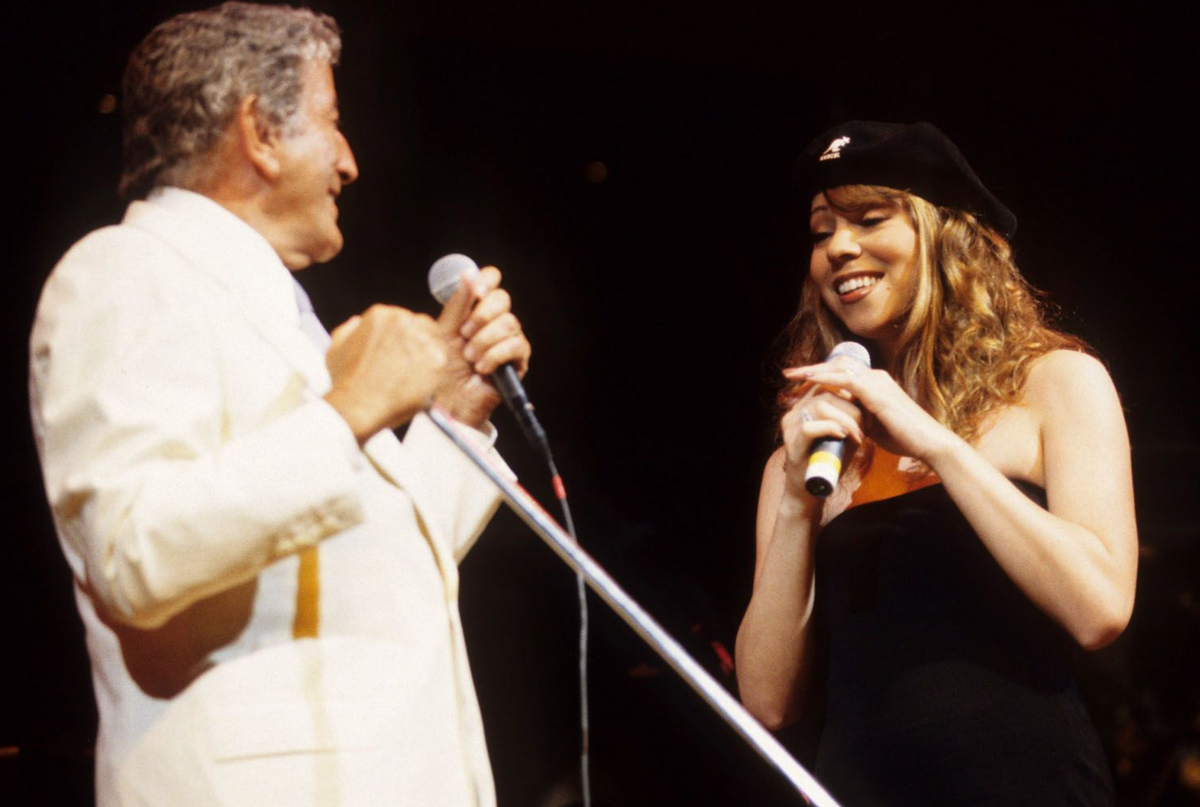
Originally planning on publishing something around the release of Love for Sale (2021), his second album with Lady Gaga, I instead ended up spending most of that fall and winter getting more than caught up on Bennett’s life and discography—according to my eventual intro, going through two memoirs, five films and TV specials, and 65 (!) albums. As I write at one point in “Tony Bennett, MTV Star,” it’s more or less an “abridged biography of Tony Bennett (where the author seems to have a serious pop diva bias, though perhaps one Bennett would appreciate in light of his own).” There’s lots of Gaga talk for obvious reasons, but there’s really a bit of everything—Bennett sharing a private jet with a postpartum Madonna, beating himself up that he didn’t do more for Amy Winehouse, being neighbours with Ella Fitzgerald, wanting to collaborate with Beyoncé, and so on.
I don’t know what happened to me writing that project; a psychoanalyst might take a look at my file and surmise that I have granddaddy issues, and perhaps that it felt like I’d been given a rare heads-up about a living legend doing poorly but still being around to receive any flowers. That aspect of the whole thing made the process quite difficult, since I didn’t know how seriously I was racing the clock. (In the end, Bennett would pass away a few days shy of his 97th birthday in 2023, so about a year and a half after I hit publish.)
Everyone in my personal life can attest that I talked constantly about him through these months, and Scott probably remembers all the crying. I was in fact such a mess that I started to have stress dreams wherein Danny Bennett (Tony’s manager son) would yell at me about having included something unflattering in a hyperlink!
There are parts of the finished piece that I find schmaltzy now, but I’m proud of it on principle; I think it works best as a crash course in the late crooner that’s specifically trying to hook a millennial-or-so pop music fan with at least some interest in MTV history. (It also got a co-sign from Ted Gioia, who called it an “excellent overview of Tony Bennett’s career.”) I still listen to jazz all the time four years on, something I wasn’t doing previously, and I still have a couple of my framed “Benedetto” prints hanging on the wall.
🪜 “‘I Know Who I Am’: On Being Incorrect and Incurable in Weeds” (The Women of Jenji Kohan, March 2022)
Way back in 2020, my longtime mutual Scarlett Harris had posted something about looking for pitches related to TV powerhouse Jenji Kohan, best known as the showrunner of Weeds and Orange Is the New Black. I put an idea together about the former series, since I’d first caught up on Weeds in high school and had always wanted a reason to revisit it, and Scarlett and I went back and forth editing my piece—eventually called “‘I Know Who I Am’: On Being Incorrect and Incurable in Weeds”—until the summer of 2021. (The physical essay collection she spearheaded was published nearly a year later.)
Around that time, I was coming up on half a decade of living with my digestive problems, which had never responded much to any kind of treatment—not medication, not dietary changes, not stress management, not saying a riddle and spinning around five times—and realizing that I didn’t really want to spend my life in a state of devastation and perpetual cure-chasing if these were simply the cards I’d been dealt. Living like that had been hard on everything from my brain to my wallet, and I was desperate for a reframe because I didn’t consider my life all that tragic (even though people were always making sad eyes at me when they heard how much Imodium it had taken to pursue a Master’s degree).
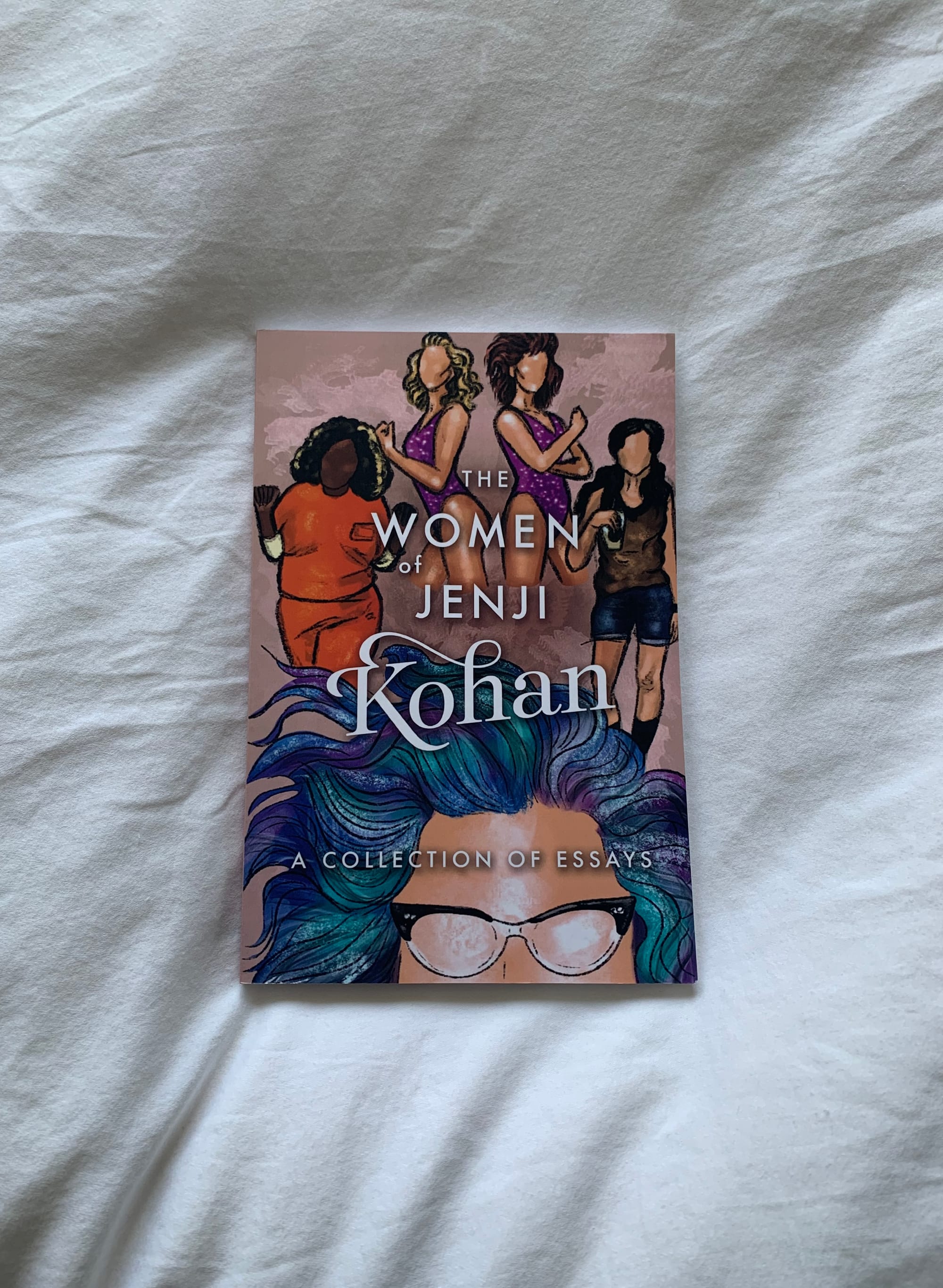
Of all things, I ended up latching onto the fictional drug dealer/bad mom/chaos magnet Nancy Botwin. Weeds is arguably a story “about a woman who learns to accept and even embrace her incorrect self,” as I wrote, and I essentially tied our two character development arcs together. We both had a Before period and an After, and I was generally fascinated by how Nancy proudly self-actualizes in what you might consider the wrong direction. It was a big swing, both conceptually and on a personal level—it was the first time I’d ever referred to myself in a piece of writing as “disabled,” something I sort of go back and forth on—but it was an immensely therapeutic venture. It will also always have the distinction of being the first book I ever played any kind of writerly role in.
🪜 “Beyoncé’s ‘Work It Out’: A Look Back at the Debut Solo Smash That Wasn’t” (Billboard, March 2022)
I’d made my Billboard debut the previous summer, reviewing Billie Eilish’s Happier Than Ever (2021) concert film—if I had 31 rungs to work with here, that piece would’ve gotten its own—and had quite enjoyed working with editor Andrew Unterberger.
When he reached out letting me know about an upcoming “2002 Week” the magazine was doing, I sent him a few notes about the year that might be interesting to turn into stories, including one about the Austin Powers in Goldmember (2002) soundtrack. That was one of those CDs I was always asking to play in the car as a kid, and it stood out to me 20 years later as a curious meeting of several women in pop; Madonna’s Maverick Records had released it, for one, but it also boasted Beyoncé’s first official solo single in the form of “Work It Out” (a song that was a modest hit in various countries but totally missed the Hot 100 in the US) and Britney Spears and Pharrell Williams’s “Boys” remix.
 Sydney Urbanek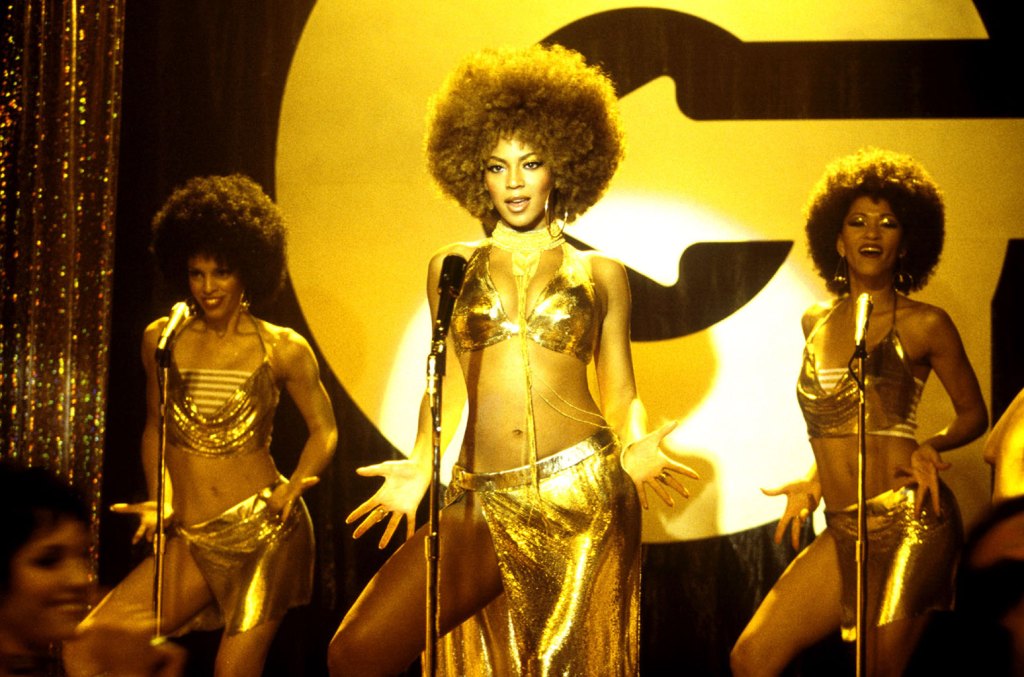
Based on Andrew’s smart whittling, the piece became about the ambitions and “failure” and narrative recasting of “Work It Out,” which Beyoncé obviously recovered from in such a way that no one remembers there’d ever been anything riding on it. I didn’t realize until publication that its central premise—“Work It Out” was originally doubling as the lead single from what became Dangerously in Love (2003), a plan that was tweaked when it underperformed—would be controversial among the Beyhive, but again I was just the messenger; here’s MTV News reporting as much in May of 2002, based on something Mathew Knowles had said in an interview. I sometimes see the piece get linked online by people trying to humble Beyoncé, which is fascinating to me because it details the sort of successful course-correction another star may not have been able to manage.
Either way, unless I’m forgetting something, this was the first time I’d ever successfully reported anything in the traditional sense—I interviewed Beyoncé biographer Tshepo Mokoena as well as hairstylist Jason Rail—since that previous piece of mine I mentioned (in the “My legacy publication era” section) never made it to print.
🪜 “Making movies helps Sophy Romvari trust her own memories” (CBC Arts, April 2022)
I believe that CBC Arts had originally contacted me about some other assignment that didn’t work out, but I quickly pitched them a replacement profile of filmmaker Sophy Romvari after years of being connected with her online. Eight of Sophy’s shorts had recently been added to Criterion Channel, giving me a nice news hook, and I wanted to try my hand at writing a profile of someone not in my extended family. (I’ve since gotten to do this several more times for CBC Arts, which has nicely kept me around interesting and talented Canadians and/or their work.)
This will sound ridiculous, but I had little familiarity with Sophy’s films when I pitched the piece—they’re often about things like memory, trauma, and familial loss and inheritance—meaning that Scott at one point walked in on me sobbing on the couch after bingeing all eight shorts in one sitting. By this time in the year, we were actively planning our November wedding, which was forcing questions about certain elephants in the room: is [insert name] better off uninvited? Can we honour [insert name’s] memory without upsetting everyone? And I remember that I began my interview with Sophy by unloading a bunch of emotions on her, which she was actually very cool about; she’s quoted in my profile saying that she loves “creating context for people to have conversations within.” It’s been fun to watch her do exactly that with the brilliant Blue Heron (2025), her debut feature that I believe she was in the midst of writing at the time of our chat.
I guess that this was how I first entered the CBC fold, which has led to plenty of meaningful work and professional milestones over the years, some of which I’ve given their own rungs below.
🪜 “The Strange History and Confusing Present of the VMAs’ Best Longform Video Category” (Billboard, August 2022)
This may have been the first time that I consciously pitched something giving me a reason to revisit the massive Word doc I’d compiled on visual albums years prior before having to abandon it. Well, that’s a lie: every time I’d heard of a new project since pivoting thesis ideas, I added it to my document even though I wasn’t entirely sure to what end. When MTV announced the 2022 VMA nominations and it appeared that they’d brought back their famously unreliable long-form category—since 1991, they’ve awarded it only four times and kept it shelved otherwise—I pitched Billboard an explainer that functioned as a sort of visual albums 101 piece, since that’s what’s typically nominated in the category.
Sydney Urbanek
I lost a lot of 2022, temporally and psychologically, to wedding planning—“lost” is a harsh word but I really just did not vibe with that process, as fun and perfect as our wedding ultimately was—and at some point started to “cope” (lol) by making a monster list on my phone of all the things I wanted to do once I was back from my honeymoon in December (so in January, really). It was a life and career bucket list for my next several years, including various bigger research projects I wanted to see through that I couldn’t let myself care about yet. Among others that I’m still technically working on and won’t spoil, I decided that I wanted to spend my spare time in 2023—still many months away at this point—pursuing what I’ve since generally called “the visual albums project.” I’d figure out what format it would take (a newsletter series? A book?) along the way, but I knew it was going to haunt me until I finally tackled it.
For now, though, I could only commit to more sprinty work things, feeling adamant that I not have anything hanging over my head when I had to properly step away from my desk in November.
🪜 “5 essential Sarah Polley projects to catch up on before her new film Women Talking” (CBC Arts, September 2022)
That same August as the Billboard piece, CBC Arts reached out looking for something tied to Sarah Polley’s forthcoming Women Talking (2022), which would be making its Canadian premiere at TIFF in September. I wasn’t attending the festival that year, partly because festivals were starting to nix the virtual options they’d implemented due to the pandemic (one of the things that had allowed me to do so much festival coverage over the past little while), and so I pitched yet another 101 piece on Polley’s career leading up to the film.
She’d always been a familiar face because, assuming I’m remembering this right, they used to run trailers for Road to Avonlea (one of the shows that made her famous) on the Anne of Green Gables VHS tapes I watched all the time as a kid. My sister and I also had a morbid obsession with this dark Canadian comedy she’d been in called Siblings (2004), one of those Rogers Video rentals your mom clearly wasn’t scrutinizing all that closely when she let you put it on the counter. Like everyone else, I’d later be incredibly moved by Stories We Tell (2012) when we screened it in one of my undergrad classes; subconsciously, it may have influenced my own creative interest in continually poking at a story to see how it changes on each go.
For the CBC Arts job, I took the opportunity to watch/rewatch everything Polley had ever played an authorial role in—i.e. I didn’t watch, like, Dawn of the Dead (2004)—noting the through-lines and eventually hooking them up into a story. But the completist in me also ordered her recent essay collection, Run Towards the Danger (2022), which Sophy Romvari had alerted me to during our chat in the spring, and it was undeniably this aspect of my research that turned the gig into more of a rung.
Polley had been pretty badly concussed in 2015, triggering a multi-year stretch where, with the exception of Alias Grace, she didn’t feel like she could write or direct anything—physically, to some extent, but anxiety-wise to a perhaps larger extent. In time, she met a neuropsychologist whose game-changing (if counterintuitive) advice was to “run towards the danger,” a maxim she applies in her book to various stories from her unusual life, essentially exhuming and reinterrogating some of her tougher memories. (Bits of what she dug up would make headlines around the world.)
I felt a weird (and probably parasocial) kinship with Polley through this whole experience, not only because I’ve spent my life with her work but also because we’re straight up connected in curious ways (including that her obstetrician, whom she names and devotes many pages of her memoir to, happened to deliver me). And as with several of these rungs, it’s hilarious to see how short the final piece was given how personally momentous I remember the whole thing being.
One of the reasons wedding planning was so tedious for me was that it involved constant appointments, and said appointments were highlighting how bad my digestion anxiety had gotten in the two or so years since the onset of the pandemic; putting anything bodily aside, it turned out that commuting to U of T every day had been keeping my brain strong… which may not make a lot of sense to you unless you live with some equivalent thing. But Polley had evidently been through her own version of this, so I actually cribbed “run towards the danger” as a personal motto for the next little while. (Certain people in my life may remember me quoting it around this time.)
🪜 “Guy Ritchie’s Swept Away at 20: What the Hell Happened?” (Paste, October 2022)
My email tells me that I’d pitched this piece—a 20th-anniversary look back at the compelling mess that was Guy Ritchie’s Swept Away (2002)—to Paste’s Jacob Oller in August, wanting lots of time to pull some kind of worthwhile deep dive together around what felt like constant trips to the tailor and wherever else. (In the interest of running towards the danger, I’d also made exciting travel plans for a little before my wedding; see the next rung.)
 Sydney Urbanek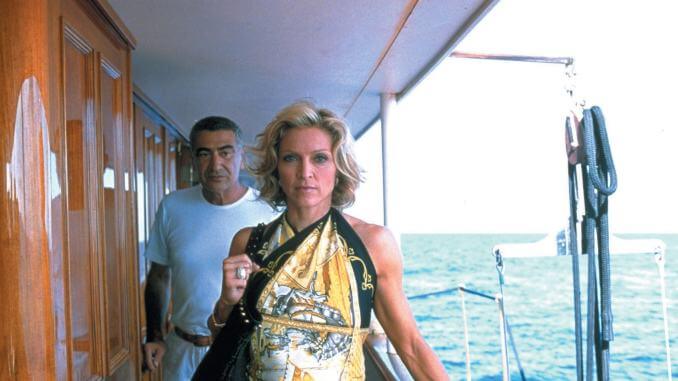
I don’t think Swept Away 2.0 is a “good” “movie,” but I do find a lot of contemporaneous coverage of the film misogynistic, or even just strange in how it seems to consider Madonna and Guy Ritchie equally creatively culpable. I had fun getting to consider Ritchie’s own work in any kind of professional context, since his role in my media diet is generally as artistic muse and sometimes cameo-maker in Madonna’s (though I do actually watch Sherlock Holmes [2009] annually). In hindsight, this piece also had me very deep in everything that Madonna did/said/meant in the fall of 2002, which turned out to be useful for one of the bigger things I’d write in the new year.
🪜 Jurying the Indie Memphis Film Festival (October 2022)
Thanks to the lovely Kayla Myers and Miriam Bale, I got to be on the “Sounds” sub-jury at Indie Memphis in 2022, which involved screening a bunch of music videos and features and then working with my fellow jurors, Rógan Graham and Maya Cade, to award several submissions. The coolest part was getting to go to Memphis and deliberate with those two over brunch—Rógan is one of my best friends and yet I’d somehow never met her in person; much worse is that I haven’t seen her since—and then present said awards at the ceremony.
I only spent something like a day and a half in Memphis in total—insane!—which isn’t by any means enough time to explore it, but I was super charmed by the city and especially the fact that its centre is just 15 minutes from the airport. I’m also still shaking my head at having juried alongside some of my favourite writers ever; one might think this would be a good cure for imposter syndrome, but my brain always seems to find a way.
A few weeks after the festival, I married my crush of nearly eight years—probably 7.5 years since we’d first joked about it.
When we got our photos back, we realized that the many Caitlin Cronenberg muses decorating the venue’s walls had supervised the whole affair #Toronto.
🪜 Sight and Sound’s “Greatest Films of All Time” (December 2022)
Back in the summer, I imagine because I’d written once for Sight and Sound—a piece on Tanu Muiño from around the time that she directed both “MONTERO (Call Me By Your Name)” (2021) and “Up” (2021)—I got the invite to contribute to the magazine’s once-a-decade “Greatest Films of All Time” poll.
 BFI
BFI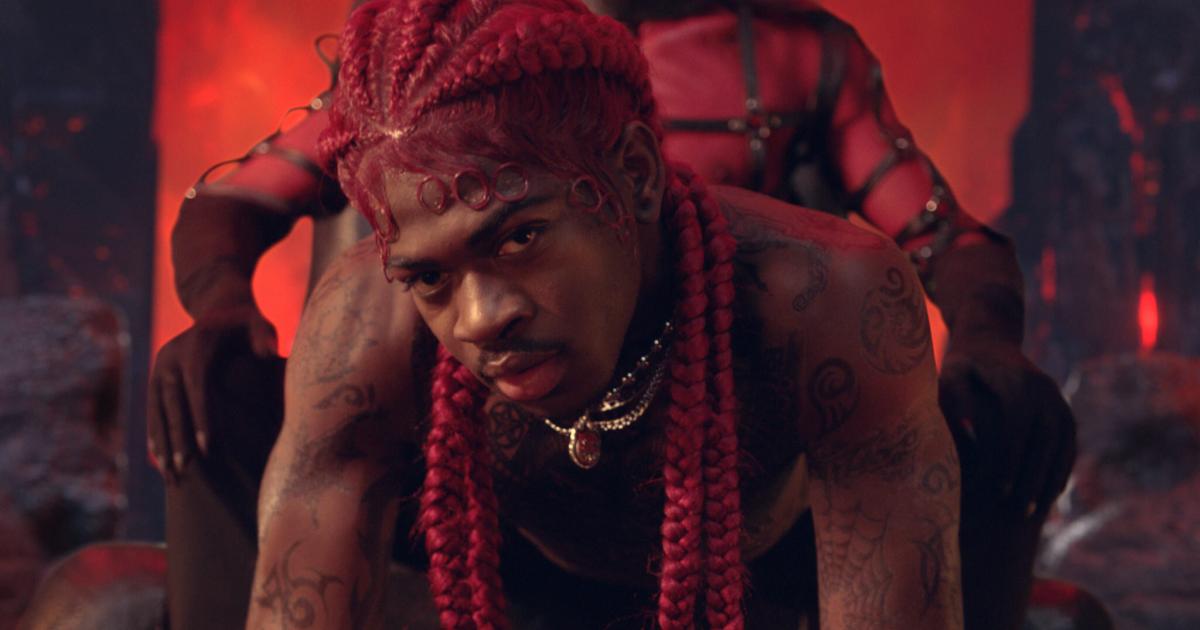
This was—and still is—obviously a huge honour, but there was a small part of me that secretly wished I hadn’t been asked; I knew my ballot would always be there online for people to return to and pick apart (which there are whole online communities devoted to doing). No two critics I knew were approaching their ballots the same way, either—the instructions leave the definitions of both “film” and “greatest” open to interpretation—which meant that I remember switching logics every time I sat down to look at my list again.
In the end, I believe I went for something along the lines of “ten great movies that are surely on other people’s ballots that deserve a chance to move up the list.” My picks are very much a snapshot of my taste (and values, and worries, etc.) that one specific week in August of 2022 when I had to submit them, and they therefore felt basically foreign to me by the time the official package dropped in December. Most days, I feel great about half of them and wish I’d been much bolder with the other half. If they ask me to do it again in 2032, I’ll be ready!
🪜 “‘Maybe We’re Wrong’: When Madonna Got Cold Feet Over Her ‘American Life’ Video” (Billboard, April 2023)
I’ve made sense of quite a few complicated timelines for different pieces of writing over the years, but this one—on the ideation, production, and ultimately self-cancellation of Madonna’s “American Life” (2003) video—absolutely takes the cake.
Sydney Urbanek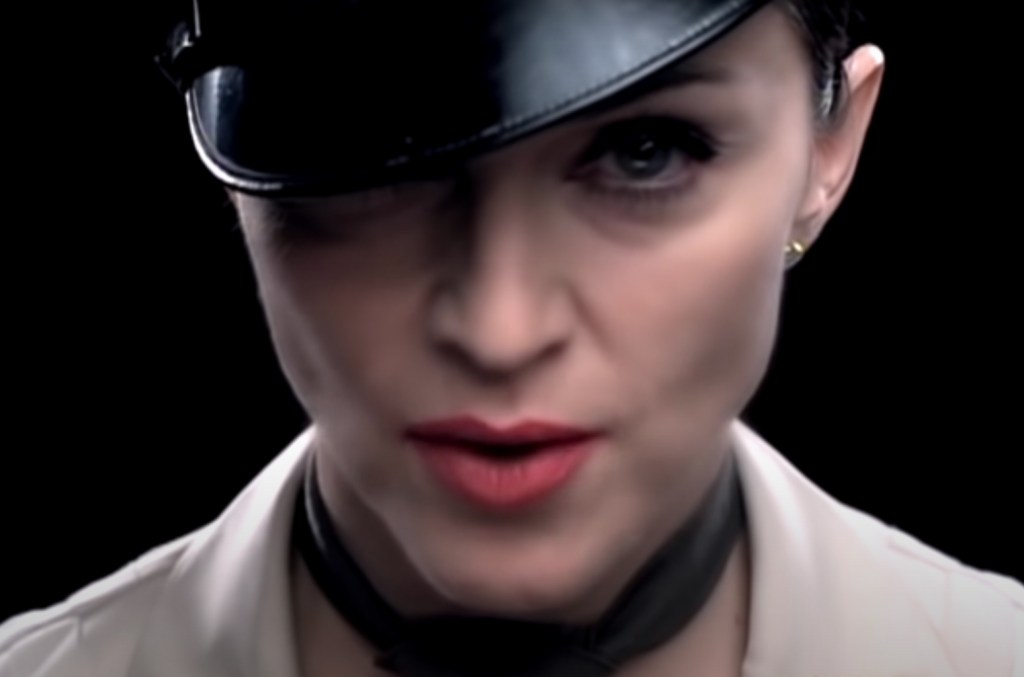
At the top of 2023, while trying to map out my next several months of paid work that I’d be doing around all my unpaid research projects, I reached out to Andrew inquiring about a possible “2003 Week” coming up at Billboard. When he hit me back with a list of videos he’d been thinking about—“Hey Ya” (2003), “Stacy’s Mom” (2003), etc.—I remember it being pretty easy to choose this one.
“American Life” had been a not-insignificant focus of my Jonas Åkerlund thesis, since it not only included CCTV footage but was also very explicit (obviously) about its America commentary. We hadn’t really gotten to talk about it in our 2020 or 2021 conversations, but you could sort of hear anytime it had come up on a podcast or something that he found the whole saga disappointing. He agreed to speak with me over Zoom for my anniversary piece, and actually disappeared at one point to grab the real grenade novelty lighter they’d used in the video.
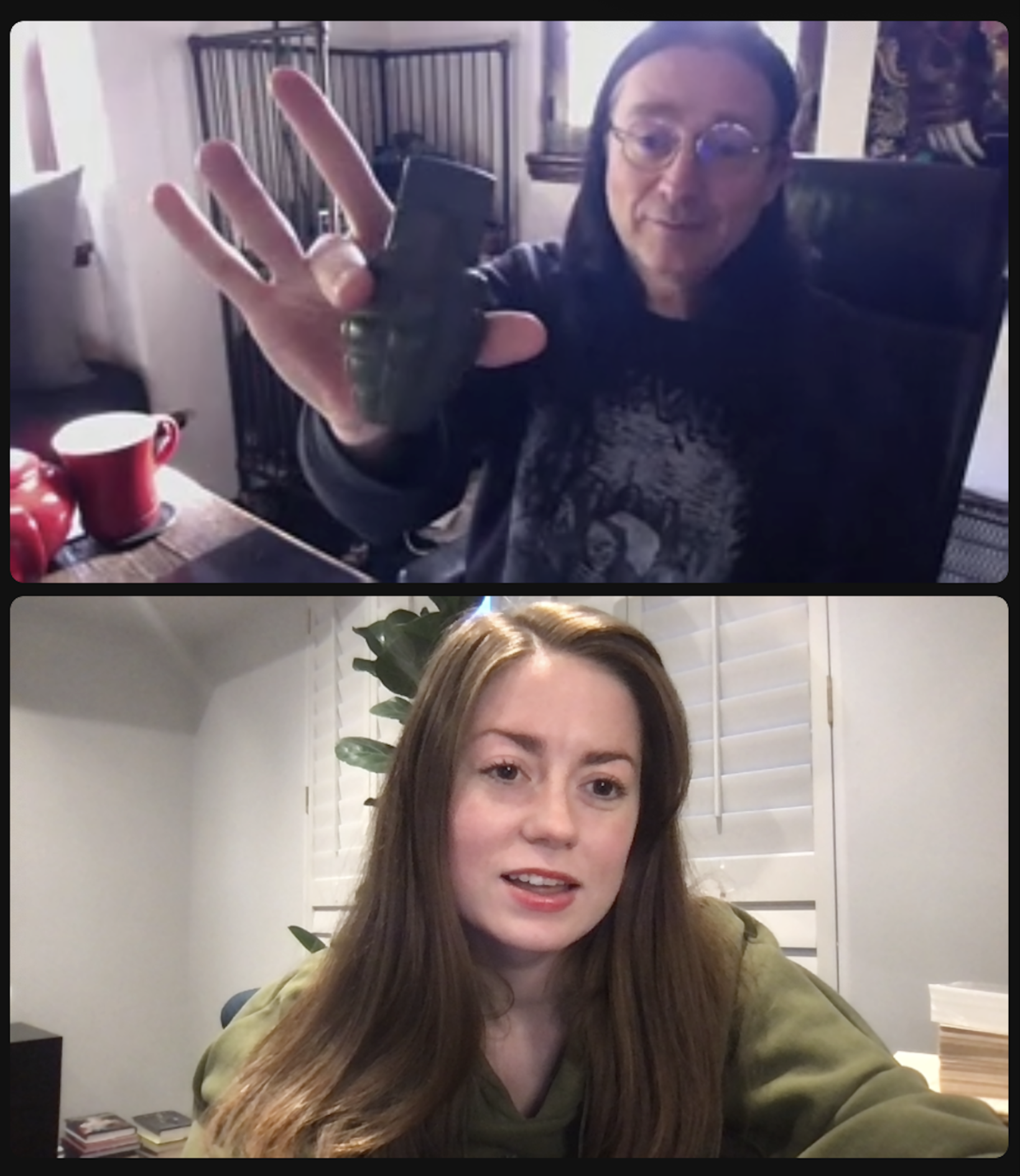
I remember this piece involving a hell of a lot of reading and watching interviews and trying to clock every single tone shift; something like ten cuts of the video were apparently made before Madonna nixed it, and you could practically hear the behind-the-scenes tension escalating in her quotes as George Bush got closer to invading Iraq.
It’s also interesting to read it back now and see that it was written a) not too long before the Celebration Tour was postponed due to her hospitalization, b) before MTV News took its entire archive off the internet, which means that many of my hyperlinks are broken, and c) before Madonna arguably experienced a big public-opinion shift back in her favour (not unlike the kind she’d been enjoying prior to American Life [2003], as discussed in the piece). And I say that last thing because my conclusion strikes me as sort of flat: cautiously optimistic about a possible Madonna revival on the horizon, but where my best piece of evidence at the time of writing was the 2021 Sickick remix of “Frozen”!
🪜 My Titanic-themed micro era at CBC Arts (April-June 2023)
As with every other editor I’ve worked with, my CBC Arts editor-turned-dear friend, Eleanor Knowles, had long ago picked up on the fact that I was an editor myself. In March of 2023, so roughly a year into working together on things, the team reached out asking if I might want to do a two-week copy editing and fact-checking stint for an upcoming special project they were planning called “The 50 Greatest Films Directed by Canadians.” (Sweetening the deal, I’d also be one of the hundred-or-so film people polled for the list.) Said stint wouldn’t happen for a couple of months, at which point I’d work with several Canadian writers I admire on different blurbs attached to the final tabulated list, including but not limited to Jesse Wente, Chandler Levack, and especially Rad Simonpillai (who somehow wrote 40 out of 50 blurbs).
But I’d also ranked Titanic first on my own ballot (submitted back in April), which meant that I actually spent a chunk of May researching and writing that blurb before all of my editing work in June (with the final package dropping at the end of that month). Despite it being only about 600 words, working on it inadvertently nudged me into my biggest Titanic phase ever—as in, the actual RMS Titanic—where I spent a week or so reading nothing but the most horrifying shit, to the point that I remember sort of burning myself out on the entire topic (and especially film!) by the end of May. And I really do not recommend doing this a) right when you need to be available for edits on what you’ve written about the film, and b) right when a doomed submersible headed for the wreck suddenly becomes the talk of the whole world. Dark! But much love to the CBC Arts team; you guys rock.
🪜 My first film intro (July 2023)
My first intro opportunity came along the way all the others have since: a friend with actual programming skills who’d already dealt with the logistics (in this case, Dan) simply asked whether I wanted to do the intro (in this case, of Coppola’s Marie Antoinette), and I said yes.
I’ve done lots of other public speaking things over the years—plenty of podcasts, a handful of Instagram Lives, a couple classroom talks, a dash of TV/radio commentary, and at least one panel—but I love the way that screening introductions leave little room for error while also being five to ten minutes at most. Not that I’ve gotten to do many, but you can get your thoughts together and your facts straight in private, practice them until you don’t need your notes (my preference), beam them out to the crowd in a cute outfit, and then get the hell out of there before your abdomen starts gurgling. Dan also let me do this a second time in 2024 when he was screening Saturday Night Fever (1977), a film he knew I’d been researching for the visual albums project (which I realize doesn’t make a ton of obvious sense, but it will when you eventually get to read it).
Both times, this was at the Screening Room in Kingston, one of my favourite independent theatres that I love visiting anytime I’m back in the city; please go if you ever find yourself in the area! More recently, I also got to do a pre-recorded intro for Rógan’s screening of Truth or Dare at London’s Prince Charles Cinema, which doubled as my overseas bald reveal. I’ve weirdly never gotten to do one with a microphone yet, so perhaps that’s my goal for this next phase of my career.
🪜 “How Petra Collins went from Tumblr darling to Olivia Rodrigo’s go-to director” (CBC Arts, September 2023)
So… many months prior to this, I’d flagged for Eleanor that I wanted to write something about Petra Collins’s work. I’d been an admirer since high school, back when she was a fellow Torontonian starting to make huge waves on Tumblr and beyond, and she’d quickly emerged as a music video director to watch during the rollouts of Olivia Rodrigo’s first two albums.
When “vampire” (2023) was nominated for Video of the Year (among several other noms) at the 2023 VMAs, I finally had my news hook and started working on the piece. After being politely refused an interview, I did my usual thing of scouring the internet and narrativizing what I’d found. I was particularly excited to give Collins her moving-image flowers in a big Canadian outlet and quite proud of what I pulled together; I don’t believe anyone else had ever linked Rodrigo injuring herself in a ballet studio at the top of “brutal” (2021) to the fact that Collins’s own dance career was cut short by an injury.
But I also acknowledged a more inflammatory interview she’d given several months prior that hadn’t yet hit English-speaking media, and it was naturally that part of the piece that went wildly viral. I’ve never really known what I can/should say about everything that happened afterwards, but I remain a fan of her work despite having seemingly been an unwanted megaphone in the whole thing.
🪜 My first time on TV (October 2023)
2023 had seen an overall uptick for me in being asked for comment by journalists and the like, even if this had technically happened before. (Historically, I’d mostly passed on these kinds of opportunities, generally because I knew a better person for the job but sometimes because I had trouble seeing myself as the best person for the job. Again, I’m working on it.)
Rad was the first to reach out in January (about Madonna’s forthcoming tour and the general issue of Madonna-specific ageism), leading to my first time on the radio via CBC. A life highlight all on its own was when, something like a full year later, the same snippet of my voice played again, totally surprising my mom while she got ready listening to CBC Radio the way she’s done my whole life.
In May, I’d also filmed my first-ever stuff for TV—for Hollywood Suite’s Cinema A to Z series, where I basically just rambled about iconic movie costumes, debuts, and serial killers—but that wouldn’t air for some time.
Everything else was about that year’s two big stadium tours, Taylor Swift’s Eras and Beyoncé’s Renaissance, and especially how both would eventually find their way into movie theatres (around the same time as Stop Making Sense [1984], one of my favourite films and actually one of my Sight and Sound picks, was also being re-released).
Among these bits of commentary, CBC’s Jenna Benchetrit ended up interviewing me on camera for The National, our flagship news program, about how the fall season had brought all these pop stars to our local Cineplexes at once. This became my first official TV appearance, and it was handily the kind that my extended family and neighbours could all watch/be surprised by in their living rooms.
By this point in the year, I was still consuming visual albums and relevant music films (etc.) left and right and still trying my best to work on that project—I’d actually learned so much about those histories since January that I felt borderline embarrassed anyone had ever been paying me to weigh in on them previously—but I was also mentally taking notes on some of the conversations I was having about these three unrelated concert films that happened to be dropping at the same time.
I surprised many people, for instance, informing them that Renaissance: A Film by Beyoncé (2023) was set to be her eighth feature as a director, and that her concert film had in fact not been emergency-produced following the announcement of Taylor Swift: The Eras Tour (2023). I quickly realized that whenever I’d gotten the visual albums project out of the way, I wanted to return to a different Word doc that I’d first started messing around in years prior but didn’t know how to approach just yet, which was then still working-titled “A Brief History of Parkwood Entertainment.”
Less than a week after I was on The National, Scott told an elaborate lie about needing to help his parents with something and then came back hours later with the biggest puppy I’d ever seen—just eight weeks old, but with ears and paws that hinted at his expectable size. (He’d secretly already been ours for about a month.)
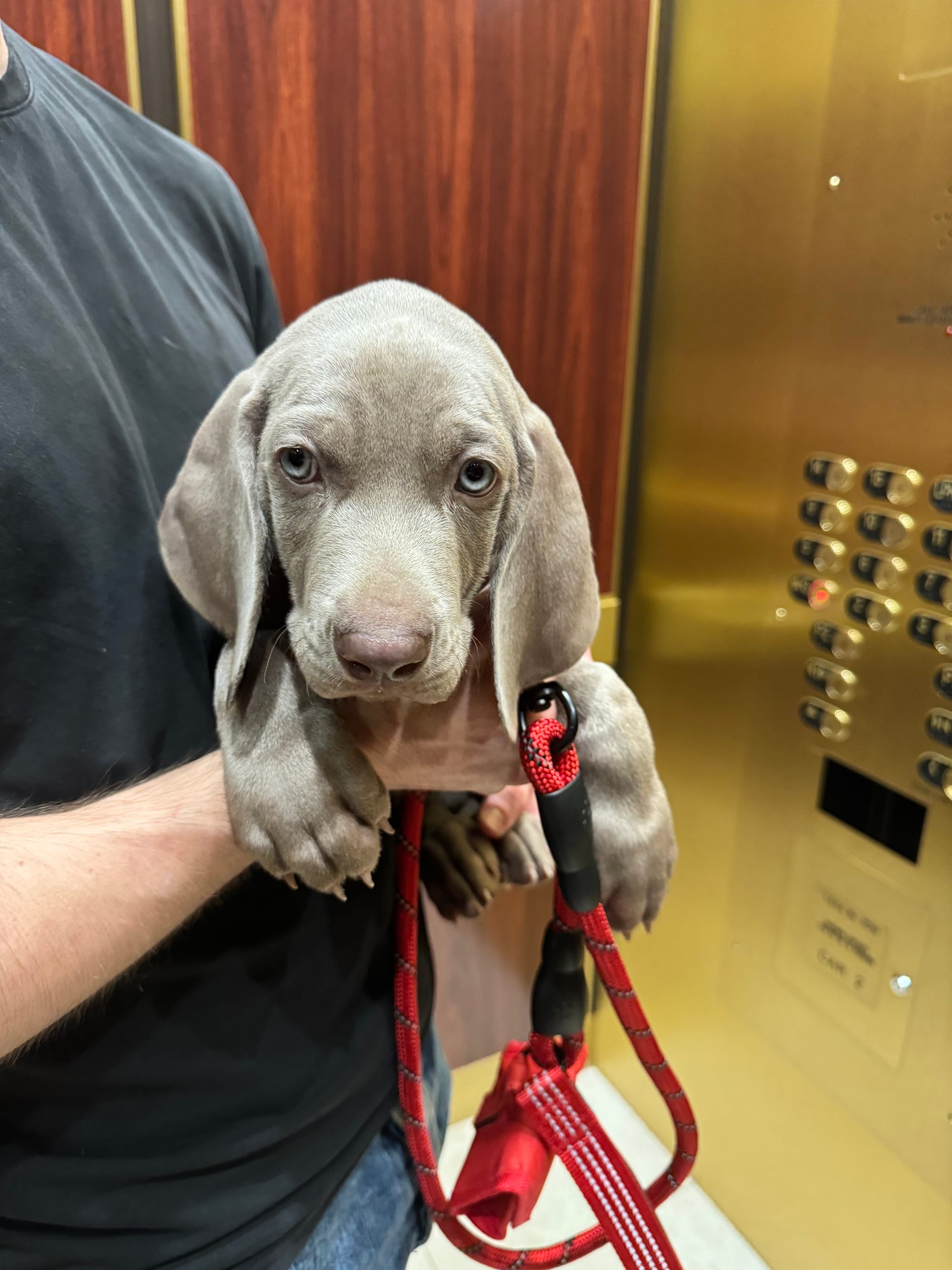
Roy (aka Royal, Goose, sometimes Royal Goose, and more than anything Baby Goose)—named after a favourite Goldie Hawn line reading in Overboard (1987)—was a complete shock to me, especially since we’d spent the previous several months sort of luxuriating in how responsibility-free we were. We’d restaurant-hopped our way around some of the most beautiful parts of Canada, taking advantage of where friends had decided to get married; we’d done shrooms and realized that we wanted to add more colour to our home, so we did (in the form of art and pillows that were now in danger); we’d done a real Vegas weekend, seeing Lady Gaga and a less savoury live show and riding that weird rollercoaster in the New York-New York Hotel. Perhaps needless to say, this was going to be a massive overnight change.
But the two of us had technically been creative directing such a dog—his name, his breed (Weimaraner), where he’d probably sit while we watched movies—for a very long time, and so all Scott had really rolled the dice on was the timing.
🪜 Flailing unproductively (fall 2023-winter 2024)
I don’t necessarily recommend surprising your partner with a puppy unless both you and the puppy have mesmerizing blue eyes. But we all got through it, month by chaotic month, with Roy eventually shaping up into a pretty well-behaved young man. He’s now 80-ish pounds, prefers Janet to Michael, likes to be kissed on the neck like an old Hollywood heroine, and absolutely wants to say hi to your baby. Ever since he crawled into my lap and fell asleep on that first night, I haven’t been able to imagine not having him around.
Nevertheless, things basically froze for me on the paid work front upon his arrival, with October 2023 still being the most recent time I’ve freelance written anything. This wasn’t totally purposeful, but it wasn’t the worst; I’d spent a lot of the year—a lot of the previous few, maybe—complaining constantly about my industry and internalizing every slight in a way that surely wasn’t healthy. Stans had told me to die (and how to do it), publicists had unfairly suggested that I’d hurt their clients (or sent strongly-worded emails to my editors so that I couldn’t). For every cool byline or debut, there was a publication that wanted to rewrite my work in their own voice, that literally begged for pitches and then wouldn’t respond to emails, that straight up just didn’t seem to want me. I’d been disrespected professionally quite a few other ways, and fiscally I was having more trouble than ever justifying it. A little distance was probably useful.
This is 30-year-old me speaking, though: at the time, I knew I wasn’t happy with my work life but that I needed to pivot a bit regardless to stuff I could chip away at solely during puppy naps. I walked out of the Renaissance film newly resolved to make good on some kind of Parkwood project in the future, but first I committed to a timeframe for the visual albums one, which I was pretty sure made the most sense as a newsletter series. To lock myself into a spring 2024 launch—this was evil, in hindsight—I started telling people that it was coming around then, and I got far enough into the process that I could comfortably adapt chunks of it for one-off gigs. A lot of what I’d learned about ’70s/’80s variety TV specials went into programme notes I wrote for Amanda Kramer’s Give Me Pity! (2022); Pop Pantheon got a whole overview of the story I planned on telling, officially because Jennifer Lopez made a visual album in February.

Then, in March, I finally crashed: the working theory is that I was passing a kidney stone, which gave me a UTI, which got a chance to progress such that I ended up on both antibiotics and morphine in the hospital—two different visits in the same week, one of them made in a 3 a.m. “Could we drive a little faster, please?” delirium. At no point did I really think I was at death’s door, but 25 combined hours in a Canadian ER—that’s about 20 hours sitting and thinking and trying to tune out the people around you having some of the worst days of their lives—will still force hard truths.
Most were about how much I’d only been pretending to be fine as of late; my mental health was in rough shape between everything I had going on, and I knew that my body was mad at me because I’d been having the most ridiculous periods ever—three days on, two weeks off, a full month and a half on, etc. Another realization, this one had during a particularly morbid thought experiment, was that my most brilliant ideas were likely not sitting anywhere on the internet or social media for people to remember me by, but instead on all the Word docs around my computer that I’d either abandoned or was dragging my feet on for some fake reason—cowardice, perfectionism, imposter syndrome, plain old procrastination.
Still another hard truth was that the visual albums project wasn’t coming along as easily as I’d hoped, and that this was at least partly because I was trying to put a complicated puzzle together without fully understanding one of its key pieces: the artist who’d popularized the term and gotten me caring about the format in the first place, who’d made her (so far) four visual albums as part of a larger two-decade directing journey… which I hadn’t realized I was so passionate about until the previous several months watching its latest entry be misconstrued.
🪜 Flailing productively (spring 2024-present)
I’ve already written quite a bit about this next chapter on the personal and medical fronts, wherein I tried to chemically re-regulate my periods without doing anything about my stress level, and how something during these months seemed to trigger the alopecia that my body had been holding onto as a fun back-pocket idea. That’s whatever, but don’t picture me bald just yet!
In the meantime, I came out of my whole ER experience with a newfound sense of urgency about my work. Escaping for a spell to Kingston, which was also when I did my Saturday Night Fever intro, I bounced between two pieces of writing: a crash course in stylist and costume designer B. Åkerlund that I’d long been meaning to send out in the newsletter—she called it “the most thorough breakdown of [her] career [she’d] seen to date”—and the introduction to what I’d decided should be a four-part newsletter series about Beyoncé’s Parkwood Entertainment.
Mononym Mythology
I set out from the beginning to make my case for the star as a key filmmaker of the 21st century and try not to make some of the same mistakes as other writers along the way—among other things, ignoring the fact that she’s been at the helm of a literal production company since 2008, treating Lemonade like her first foray into filmmaking (it was her fifth feature as a director), and downplaying her numerous technical skills in this space (lighting, editing, blocking, and so on) in favour of that old “She’s merely an excellent curator” chestnut.
My overwhelming hope was that people could use the project as a resource for their own Beyoncé writing and conversations; it’s wonderful if you read the whole thing, but it doesn’t bother me if you’re simply hitting command+F for projects/moments/people of interest. (It may surprise Madonna fans, for example, to learn just how little I’ve abandoned them since I kicked the series off. She comes up in every chapter!)
Mononym Mythology
It turned out that putting the visual albums series on temporary pause in favour of this other big passion project—itself a visual albums series, in many ways—I suddenly had the kind of fire under me that had been missing the last little while (especially because I was now also in the clutches of Cowboy Carter). I originally envisioned and announced it as something I’d be carrying out strictly over the summer of 2024, a choice that mainly came back to my wish to self-publish it for free. While I saw through this years-long writing dream, I really needed to not be hemmed in by anyone else’s editorial wishes or concerns, and I didn’t want there to be any kind of barrier between me and what’s in some ways my ultimate target audience.
Mononym Mythology
This schedule essentially worked until it didn’t; in getting the first two chapters out about a month apart, I realized that I had more to learn and contemplate and explicate than I’d thought, which meant not only that they were wildly long reads but that I also spent much of my summer indoors on my laptop. It was around this time that I started to notice my immune system freaking out, though this wasn’t super remarkable at first given my medical profile. (I’m always at least a little rashy and wheezy, especially at that time of year.)
My planned timeline also didn’t seem to make a ton of sense as far as how people were actually engaging with the project, which was typically bookmarking it on Twitter to read later (and then not necessarily doing that—lol) or taking anywhere from days to months to read it at their desired pace. All of this was helpful to me somehow, to be clear, but I figured no one would be all that broken up if I took a bit of extra time with the next couple of chunks.
I’m aware that I’ve taken far more than “a bit of extra time” with Vol. III and Vol. IV in the end, but these latter chapters strike me as much better pieces of writing than the ones I rushed out two summers ago. They’ve also been quite a bit longer and more detailed, not to mention pulled together around some Tricky Life Stuff (plus whatever editing work I’m quietly doing in the background).
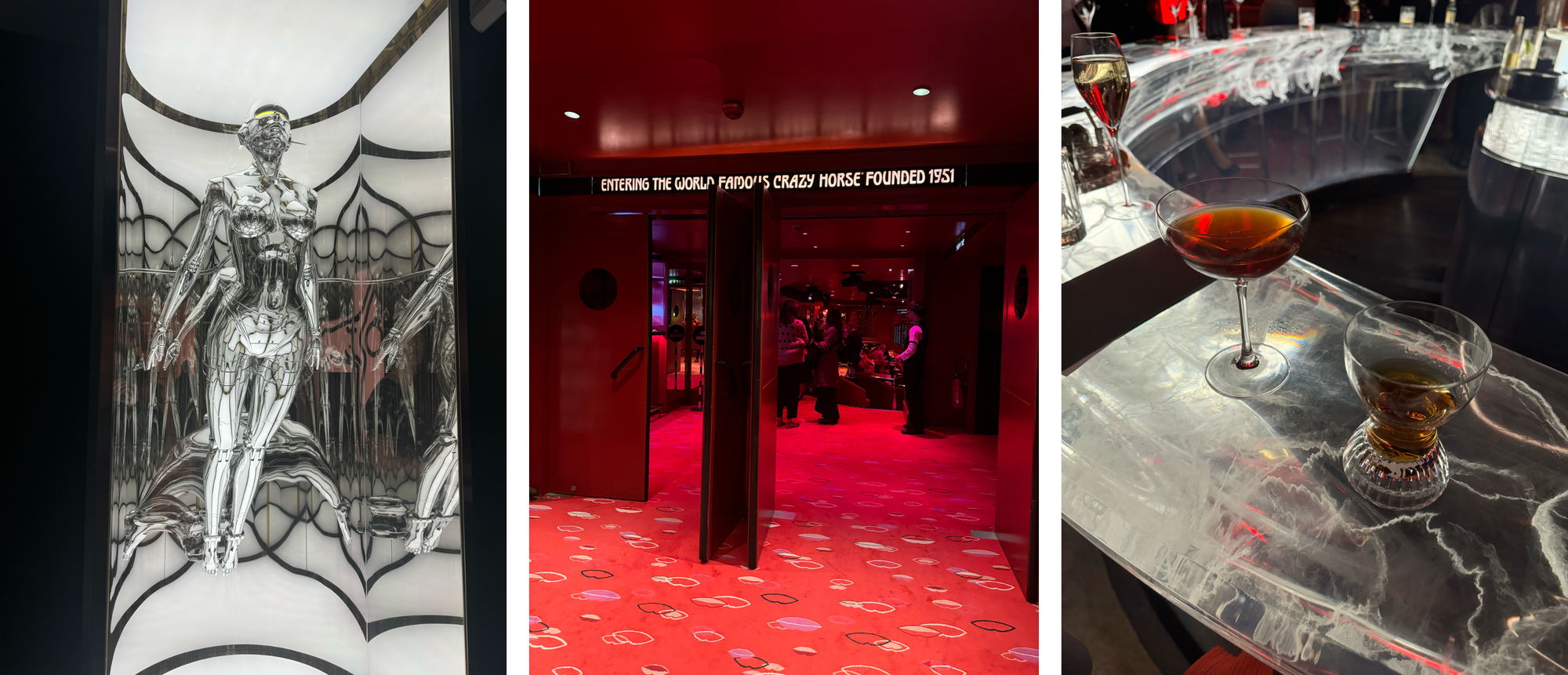
I wrote a lot of the first half of Vol. III on different trains during our fall 2024 trip to Europe, with Scott gladly helping me complement my Beyoncé research as we moved from city to city, most notably by hitting up Crazy Horse before managing to crash the SirDavis brand activation at Paris Fashion Week. I tried my best to take a meaningful break from the project unless we were in transit, but every museum would have a Basquiat, or a vintage Metropolis (1927) poster, or sheet music bearing Josephine Baker’s likeness, or a Hajime Sorayama sculpture. It was torture!
Mononym Mythology
By the time I got that half-chapter out in January of 2025, I’d gone bald for (almost certainly) Beyoncé-unrelated reasons, which meant that I had to get through my harrowing course of steroids before I could deal with the second half of Vol. III, the chunk that largely revolves around interrogating and wringing lessons from one’s family tree.
Mononym Mythology
I published that in late July, having fact-checked it amidst updates from my parents as they moved my grandmother into hospice care. And very quickly, it was my own family tree that took over the rest of the year.
It’s worth saying that I don’t mean the above exclusively in terms of loss; these kinds of things can obviously bring families together, and I’ve been hit with a lot of mini-epiphanies about how much of myself—my taste in jewelry, my love of musicals, my storytelling proclivities, even my address—I may be able to thank my grandmothers for. Putting their obituaries together was a whole other education: a writing first, of course, but also a good perspective/reality check as I inched closer to my supposedly momentous milestone birthday. Obits really force you to consider the bigger picture, especially if you’re prone to getting stuck in the weeds. (My grandmother had 63 more years of living to do from here!)
I was also gifted two new babies in the second half of 2025, which means in part that I’m now getting to watch my firstborn niece and nephew be big cousins—grinning while my littlest niece sleeps during holiday gatherings, launching formal negotiations about why they should get to hold her, and so on. This is one of those life areas where you really just can’t tell me shit!
My friends have shown up for me constantly through these universe whackings, too—from Dan, who watched movies with Roy for a day while we went to my grandma’s funeral; to Rógan and Ellie Berry, my monthly “writing group” mates who tend to function a lot more like therapists; to everyone who’s simply let me talk at them for an hour over a beverage at some point (though we’ll obviously have to catch up again sometime).
🪜 My Bald Ambition Tour (spring 2025-present)
By the end of Vol. III, I was now also in the early days of what I’ve been calling my Bald Ambition Tour. Aside from my pre-recorded Truth or Dare intro in June, there’d been my partial read of Vol. II at Saffron Maeve’s Crit Salon event here in Toronto the same evening. There’d be another stop in October with my second time on The National, an opportunity that came about when Taylor Swift decided to semi-premiere The Life of a Showgirl (2025) in theatres. And the next stop remains to be seen...
Again, I don’t want to repeat myself too much, but I’ll always be proud of how I’ve handled this whole chapter (even though “chapter” is beginning to sound a little too short-term). It would be nice not to have to create my eyebrows anew each day, but being bald sort of rocks otherwise, in a way that I wouldn’t have been able to comprehend before any of this. The topic is honestly starting to bore me!
I’m currently finishing up what’s set to be the first half—surprise!—of Vol. IV, a chapter that’s been substantially lighter than the previous one, even if I do find myself struggling a bit with everything Uncle Johnny-related. I still have a lot of work ahead of me, but I’ve now officially completed the majority of what’s more or less a Beyoncé biography written for cinephiles.
It took me a minute to put my finger on why I care about this topic so much, and I think it’s partly that I relate to the star’s situation of being a self-identified film person who isn’t necessarily perceived/received as one by her peers. I can write however many thousand words I want about her harnessing her well-documented love of movies into making her own movies, and a publicist will still begin an email to me about a new release with “I know you’re not so much into film writing these days…”
I’m being genuine when I say that I find this more fascinating than frustrating, and it may even be useful for thinking through some of my Vol. IV concluding thoughts about Beyoncé’s film reputation. One goal for my 30s should probably be to stop caring so much about my own; I’ll just keep working on things that excite me, and I’ll do my best to relinquish control of the rest.
The series has generally been such a journey in that it hasn’t exactly brought me money or power or glory (to put it Ultraviolently)—my biggest “gains” have arguably been the cool people I’ve been introduced to around the world—but it’s nevertheless completely rewired my brain and my understanding of what it can do. I’m a significantly more confident writer than I was when I first embarked on this project, both from the work itself and from all the life stuff that’s been happening around the work, and it’ll be interesting to see how I can at some point transition that confidence back to shorter-form and eventually freelance stuff.
Bit by bit, I’ve also gotten better at not taking to heart that this kind of monster-sized deep dive just isn’t for everyone, no matter how much they might care about Beyoncé or her life at the movies in theory. It’s a strange moment to be a writer and especially one who likes to go long on things, where I’ve been asked more than once if I could turn the series into TikToks or otherwise summarize it for people who still want the nuts and bolts of the research. I may do some version of that once I’ve finally completed the story—if I’m really thinking about it, I have the sort of earring collection where I probably should be getting on camera more—but I promise to always keep prioritizing those of you who love to read.
Speaking of which, much appreciated if you happened to get this far. Here’s to more chillness and bravery—to running towards the danger, if you will—in my 30s and beyond. ●
Mononym Mythology is a newsletter by me, Sydney Urbanek, where I write about various intersections of popular music and moving images. If you got something out of this issue, feel free to share it with a friend or help me cover some research material for the next issue. You can reply directly to this if you received it in your inbox, and otherwise my email is here. I’m also on X and Instagram.